

Copper plates are one of the most versatile forms in which copper is bought, sold, and worked but they’re also one of the most misunderstood when it comes to purity grading and fair pricing. Whether you’re a coppersmith sourcing copper plates as crafting material, a collector adding flat copper to a physical holdings portfolio, or an investor evaluating copper for sale in sheet form, understanding how the Karat Purity Scale applies to rolled copper products makes a real practical difference.
This guide covers what makes copper plates distinct as a product category, how purity grading works across different plate grades, and how to use KPS standards to verify pricing against current copper prices before you buy.
Copper Plates as a Product: What Sets Them Apart from Copper Ingots
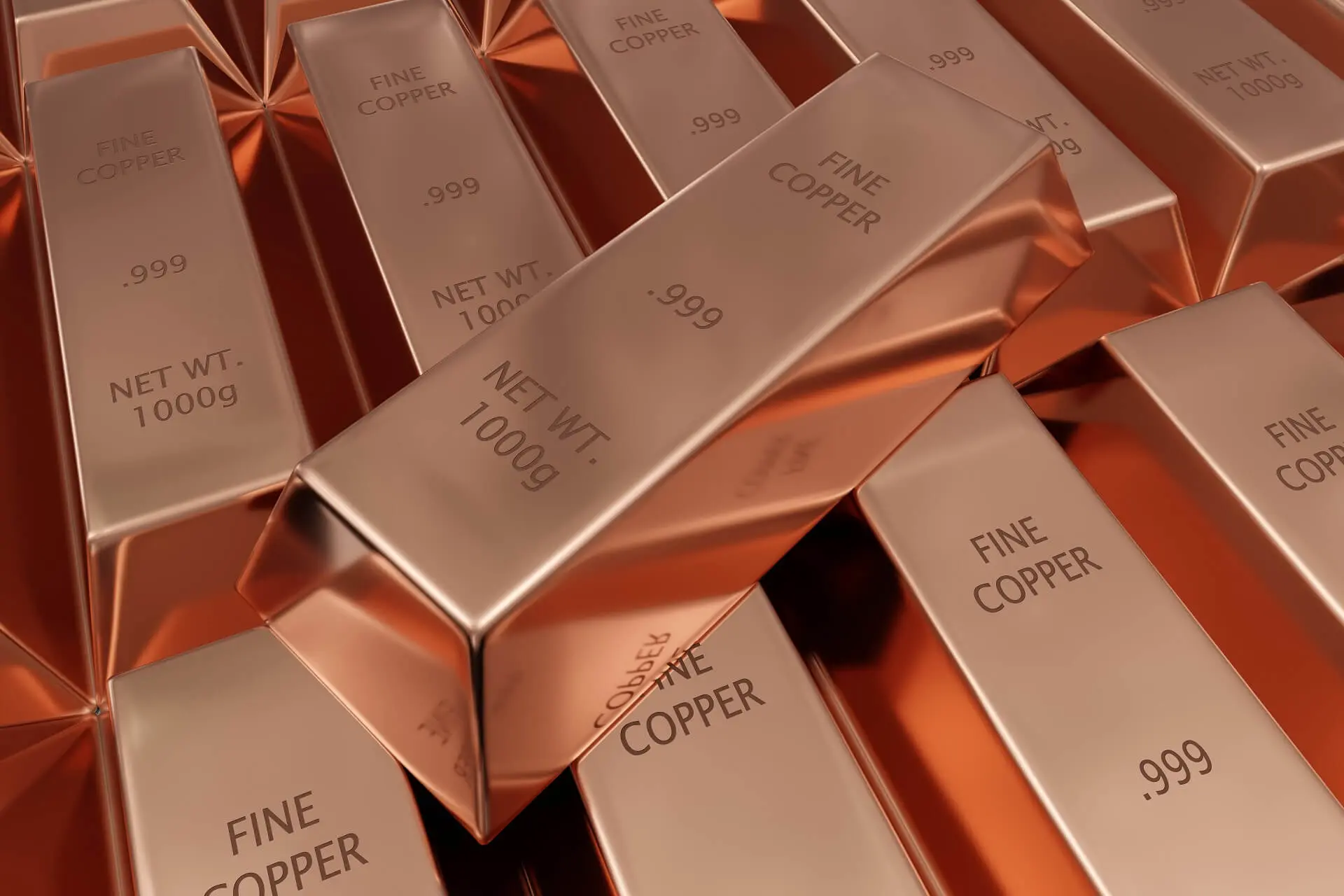
Copper plates are flat-rolled copper sheets produced to consistent thickness and width specifications. Unlike copper ingots, which are cast in bar or block form, copper plates are manufactured through a rolling process that compresses refined copper to a precise gauge. That process adds a fabrication cost above the raw price of copper per kg, but it also produces a uniform, verifiable product that is easier to assess and easier to work with than irregular cast forms.
For a coppersmith, copper plates offer predictable workability; they cut, bend, and solder to known tolerances. For a collector or investor, they offer easy stacking, consistent weight-to-area ratios, and a presentation that many buyers find more accessible than bulk copper ingots. The trade-off is a slightly higher fabrication premium above spot copper prices compared to large cast ingots, which is worth understanding before comparing plate pricing to The Behemoth-format copper ingots.
Karat Purity Scale Standards for Copper Plates: Grading What You Buy
Copper plates are produced from several grades of refined copper, and the grade determines how closely the plate tracks the LME copper price per pound. Electrolytic tough pitch (ETP) copper at 99.9% purity is the benchmark grade for investment and high-quality craft applications. Oxygen-free copper (OFC) at 99.95% or above commands a premium for specialist electrical and precision applications. Both grades are appropriate for investors wanting clean purity exposure.
Below these tiers, fire-refined copper plates sit around 99.0–99.5% purity and carry a modest discount. Secondary copper plates produced from reclaimed material without full electrolytic refining can vary widely and should not be priced against the LME copper price per pound benchmark. A coppersmith sourcing secondary copper plates for decorative work may find them cost-effective, but an investor buying them as a copper price exposure vehicle is likely to be disappointed at resale.
KPS maps these grade distinctions directly onto live copper prices, giving buyers a clear fair-value range for any documented purity level. It removes the ambiguity that tends to cluster around the secondary copper market, where sellers sometimes imply near-spot pricing for material that does not justify it.
Copper Prices and Market Trends Affecting Copper Plate Pricing in 2026
The price of copper per kg has been elevated through early 2026 by the same structural forces affecting the wider copper market: constrained copper mining output, growing demand from copper companies supplying the EV and grid infrastructure sectors, and a refining chain that cannot scale as quickly as end-use demand requires. For copper plate buyers, this means paying more per kilogram for the same product than was typical in 2023 but also holding a product whose intrinsic value is supported by genuine structural demand.
UK buyers tracking copper prices on forums including r/UKInvesting and r/Commodities have noted that copper plate pricing from reputable suppliers has followed spot copper prices closely, with fabrication premiums remaining relatively stable. Where premiums have widened, it has typically been from smaller or less transparent sellers taking advantage of buyers less familiar with what the current copper price per pound implies for a fair plate price. Using KPS as a reference tool before any purchase closes that knowledge gap effectively.
Investing in Copper Through Copper Plates: Practical Considerations
Investing in copper through copper plates offers some specific advantages over other physical copper formats. Storage is efficient flat plates stack well and occupy predictable space. Weight verification is straightforward plate dimensions and thickness translate directly into weight, which can be checked against the declared grade and current copper prices to confirm pricing consistency. And resale is accessible copper plates are a familiar product to both industrial buyers and collector-market resellers.
The main consideration is that copper plate pricing includes a fabrication premium above the raw price of copper per kg that larger copper ingots in The Behemoth range do not. For buyers primarily focused on maximising copper content per pound spent, The Behemoth-format ingots will typically provide a tighter relationship to spot. For buyers who value uniformity, ease of verification, and workability or who are building a mixed copper portfolio that includes copper coins and smaller pieces from The Precious range, copper plates are a strong mid-tier option. Learn more about Investing in Copper: Purity Tips for Copper Coins and Collectibles
Frequently Asked Questions
How do I verify the purity of copper plates before buying?
The most reliable method is an XRF test result or a certificate of analysis confirming the copper content percentage and trace element profile. Reputable sellers of investment-grade copper plates should provide this as standard. You can then use KPS’s purity scaling tool to cross-reference the stated grade against the current price of copper per kg and confirm the asking price is within a fair range for that grade and current market conditions.
What is the difference between ETP copper plates and standard copper plates for collectors?
ETP (electrolytic tough pitch) copper is 99.9% pure and is produced through the full electrolytic refining process from copper concentrate. It prices at or near the LME copper price per pound benchmark and is the standard grade for investment-quality copper plates. Standard secondary copper plates may look identical but contain higher levels of trace impurities, price at a discount to spot, and do not track copper prices as cleanly at resale. For investment purposes, always specify ETP grade.
How does copper plate pricing compare to copper ingots at current copper prices?
Copper plates typically carry a slightly higher fabrication premium above the price of copper per kg than large copper ingots, because the rolling process adds manufacturing cost. For most buyers, this premium is modest a few percentage points above spot for standard ETP plate from reputable suppliers. Large-format copper ingots in The Behemoth range may offer a tighter spot-to-price ratio for bulk copper value, while copper plates are competitive for buyers who prioritise consistent dimensions and verifiability.
Can a coppersmith use investment-grade copper plates as crafting feedstock?
Yes and many do, because ETP copper plates offer the combination of verified purity, consistent thickness, and workable properties that precision copper craft requires. Using documented investment-grade feedstock also means the finished copper pieces can be purity-certified at the output stage, which supports higher pricing and buyer confidence. A coppersmith who sources verified copper plates and documents the production chain is building a product provenance story that adds real commercial value.
How do copper mining disruptions affect copper plate supply and pricing?
Copper plate production depends on a supply of refined electrolytic copper, which originates from copper concentrate processed through the copper mining and refining chain. When copper mining operations face disruptions as has been the case periodically through 2025 and into 2026 the availability of refined copper feedstock tightens and the price of copper per kg increases. Those increases feed directly into copper plate pricing, making it important for regular buyers to maintain awareness of copper market conditions rather than assuming prices will remain stable between purchases.


Leave a Comment
Your email address will not be published. Required fields are marked *