

Copper prices have rarely been more interesting to watch than they are right now. Heading into 2026, the price of copper per kg has been tracking higher on the back of constrained supply, surging industrial demand, and a UK market increasingly alert to copper as both a commodity and a collectible asset. If you’ve been trying to make sense of what copper actually costs and why this post gives you the clearest picture available.
Whether you’re buying copper ingots for the first time, sourcing copper for sale from a specialist dealer, or simply curious about where the copper price per pound is heading, the fundamentals are not as complicated as financial media tends to make them.
Copper Prices in 2026: Where the Price of Copper per Kg Stands Today
The London Metal Exchange benchmark for Grade A electrolytic copper has been hovering in the £7.50–£9.00 per kg range through early 2026, driven by a combination of factors that analysts have been flagging for the better part of two years. On the supply side, major copper mining operations in Chile and Peru have faced repeated disruptions, water restrictions, ore grade decline, and labour negotiations that have added uncertainty to output forecasts. On the demand side, the global push towards electrification has created a structural floor under copper prices that did not exist a decade ago.
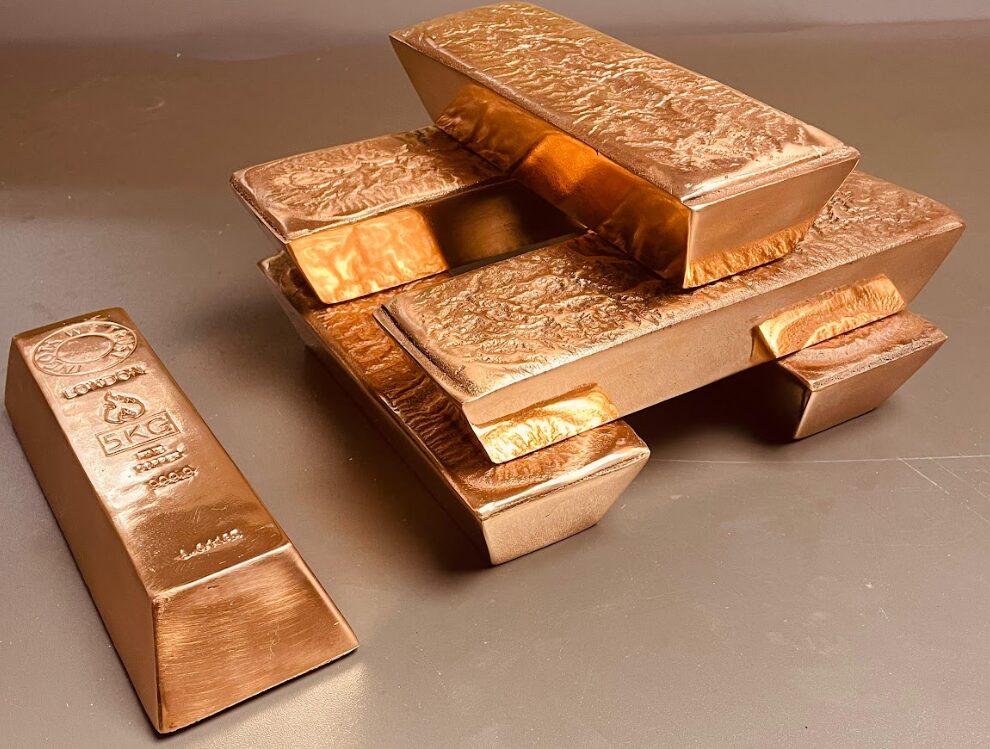
For UK buyers of physical copper, the practical impact is straightforward: high-purity copper ingots and copper plates are priced higher than they were in 2023, and that trend looks unlikely to reverse sharply in the near term. Community discussions on r/UKInvesting have noted a corresponding increase in interest in physical copper for sale as an alternative to gold at current gold price levels with several contributors specifically referencing The Behemoth format as an efficient way to hold substantial copper value close to spot.
Copper Price per Pound vs Price of Copper per Kg: Understanding the Conversion
One of the most common sources of confusion for new UK copper buyers is comparing prices quoted in pounds per kilogram against those quoted as a copper price per pound, the unit convention used in North American markets. They refer to the same underlying metal; the difference is purely in how the weight is expressed.
One kilogram equals approximately 2.205 pounds (weight, not currency). So if the copper price per pound is £3.60, the equivalent price of copper per kg is roughly £7.94. Most reputable UK dealers display both figures alongside a live spot feed, but understanding the arithmetic yourself means you’re never dependent on a seller’s conversion to confirm a price is fair.
Copper Ingots and Purity: How Grade Affects the Price You Pay
Not all copper is priced the same and the difference is not trivial. The price of copper per kg quoted on the LME is specifically for Grade A electrolytic copper at 99.99% purity. Copper ingots produced from fire-refined feedstock, sitting at 99.0–99.5% purity, trade at a discount to that benchmark. Secondary copper, reclaimed by a coppersmith from mixed scrap, trades at a steeper discount still though the exact figure depends on the specific grade and composition.
For collectors and investors choosing between copper ingots in different formats from smaller pieces in The Precious range to large cast blocks in The Behemoth category purity documentation matters as much as the quoted price per kilogram. KPS provides a purity scaling tool that cross-references stated grades against live copper prices to give buyers a reliable fair-value reference before committing to a purchase.
Investing in Copper: What Current Copper Prices Mean for Physical Buyers
Higher copper prices cut both ways. For existing holders of physical copper ingots, rising copper prices represent straightforward capital appreciation. For buyers entering the market, higher copper prices mean a higher entry cost which makes the premium you pay above spot more significant. In a rising price environment, the difference between buying high-purity copper close to spot versus paying an inflated collector premium above it is larger in absolute terms.
The practical advice shared consistently across UK stacker communities is to use copper price strength as motivation to be more disciplined about premium assessment, not as a reason to avoid copper entirely. Copper plates, copper ingots, and copper coins all have roles to play in a balanced physical copper strategy; the key is understanding what drives the price of each format and buying accordingly. Learn more about Price of Copper per Pound: Factors Driving Recent Surges
Frequently Asked Questions
What is the current price of copper per kg in the UK in 2026?
As of early 2026, the price of copper per kg for high-purity electrolytic copper is broadly in the £7.50–£9.00 range, depending on the day’s LME spot rate and the GBP/USD exchange rate. This figure shifts continuously during trading hours, so always check a live pricing feed before making any purchase decision. KPS provides real-time copper price data alongside purity scaling tools to help buyers assess fair value.
Why have copper prices risen so much recently?
The primary drivers are structural rather than speculative. Copper mining output from key producing regions has failed to keep pace with demand growth driven by EV manufacturing, grid-scale battery storage, and renewable energy infrastructure. Major copper companies have flagged production constraints while industrial consumption continues to climb. This supply-demand imbalance has kept the copper price per pound elevated and is expected to persist through the mid-2020s.
How does the price of copper per kg affect the cost of copper ingots I buy?
Directly and proportionally for high-purity copper ingots priced close to spot. If the price of copper per kg rises by £1.00, a one-kilogram copper ingot costs approximately £1.00 more. Sellers also apply a fabrication and handling premium above spot typically 5–15% for standard ingots which is added on top of the base copper price. Understanding both components lets you assess whether a quoted price is fair.
Is now a good time to buy copper ingots given current copper prices?
That depends on your investment horizon. If you’re investing in copper for long-term exposure to the electrification demand story, the current structural supply-demand dynamic supports a constructive view regardless of the exact entry price. If you’re looking to buy and resell in the short term, the higher copper price per pound means you need a more precise view on near-term price direction. Many UK investors use a staged buying approach entering in tranches over several months rather than committing everything at one price point.
Does purity affect how closely my copper ingots track the copper price per pound?
Yes. High-purity electrolytic copper at 99.9% or above tracks the LME copper price per pound most accurately because that is the exact specification the benchmark reflects. Lower-purity copper products trade at discounts that can fluctuate independently of spot, meaning their price movements are less predictable. For investors wanting clean, transparent exposure to copper prices, high-purity copper ingots documented with a certificate of analysis are the most reliable choice.


Leave a Comment
Your email address will not be published. Required fields are marked *