

The copper price per pound has been making headlines in commodity circles and increasingly in UK investment and collector communities for the better part of the past two years. If you’ve noticed that copper for sale in physical form has been getting progressively more expensive, or that the premium above spot has been staying stubbornly consistent even as the underlying copper price per pound climbs, you’re not imagining things. There are specific, identifiable reasons behind both trends.
This post unpacks the factors driving the current copper price surge, explains what they mean for physical copper buyers, and offers a practical framework for thinking about copper price movements when investing in copper through physical products.
Copper Price per Pound Surge: The Key Demand-Side Drivers
The most significant demand-side driver of the copper price per pound in 2025 and 2026 has been the accelerating rollout of electrification infrastructure globally. EVs require roughly two to four times more copper than a conventional internal combustion vehicle. Grid-scale battery storage systems, offshore wind installations, and solar farm infrastructure all depend on copper wiring and copper plates at scales that would have seemed extraordinary a decade ago. Each of these end-use categories is growing, and none of them have obvious copper substitutes at the volumes required.
In the UK specifically, the government’s net-zero commitments have driven domestic investment in charging infrastructure and grid upgrades that consume substantial quantities of high-purity copper. UK stacker and investor communities on r/UKInvesting and r/CopperStackers have tracked this domestic demand angle closely, with several contributors noting that the price of copper per kg has responded to UK infrastructure spending announcements in ways that were not seen in previous policy cycles.
Beyond electrification, data centre construction driven by AI infrastructure build-out has emerged as an unexpectedly significant copper consumer. The copper wiring, heat exchangers, and busbar systems in a modern data centre represent substantial copper tonnage, and the pace of data centre construction globally has added a demand layer that most five-year copper price forecasts from 2020 did not anticipate.
Copper Prices and Market Trends: Supply-Side Constraints Keeping the Floor High
Demand-side growth explains why the copper price per pound wants to rise. Supply-side constraints explain why it cannot fall easily even when demand growth temporarily moderates. The copper mining industry has been operating against a backdrop of declining ore grades at mature mines, increasing regulatory complexity for new mine approvals, and a persistent underinvestment cycle that followed the price correction of the mid-2010s.
Major copper companies have been producing copper from existing mines rather than opening new ones at the pace required to meet projected demand growth. New copper mining projects face permitting timelines of five to ten years in most major producing countries, meaning the production decisions being made today will not translate into refined copper supply until the early 2030s. In the interim, copper prices are absorbing the full weight of demand growth against constrained supply which is what the current copper price per pound reflects.
The conversion of copper concentrate into refined copper adds another layer of constraint. Global smelting capacity has not kept pace with copper mining output growth in some regions, creating periodic bottlenecks that push copper prices higher even when ore availability is not the primary issue. These refinery dynamics are less visible in mainstream financial reporting but are tracked closely by commodity specialists and by copper community members on UK investment forums.
Copper Ingots and Purity: How Price Surges Affect What You Should Pay
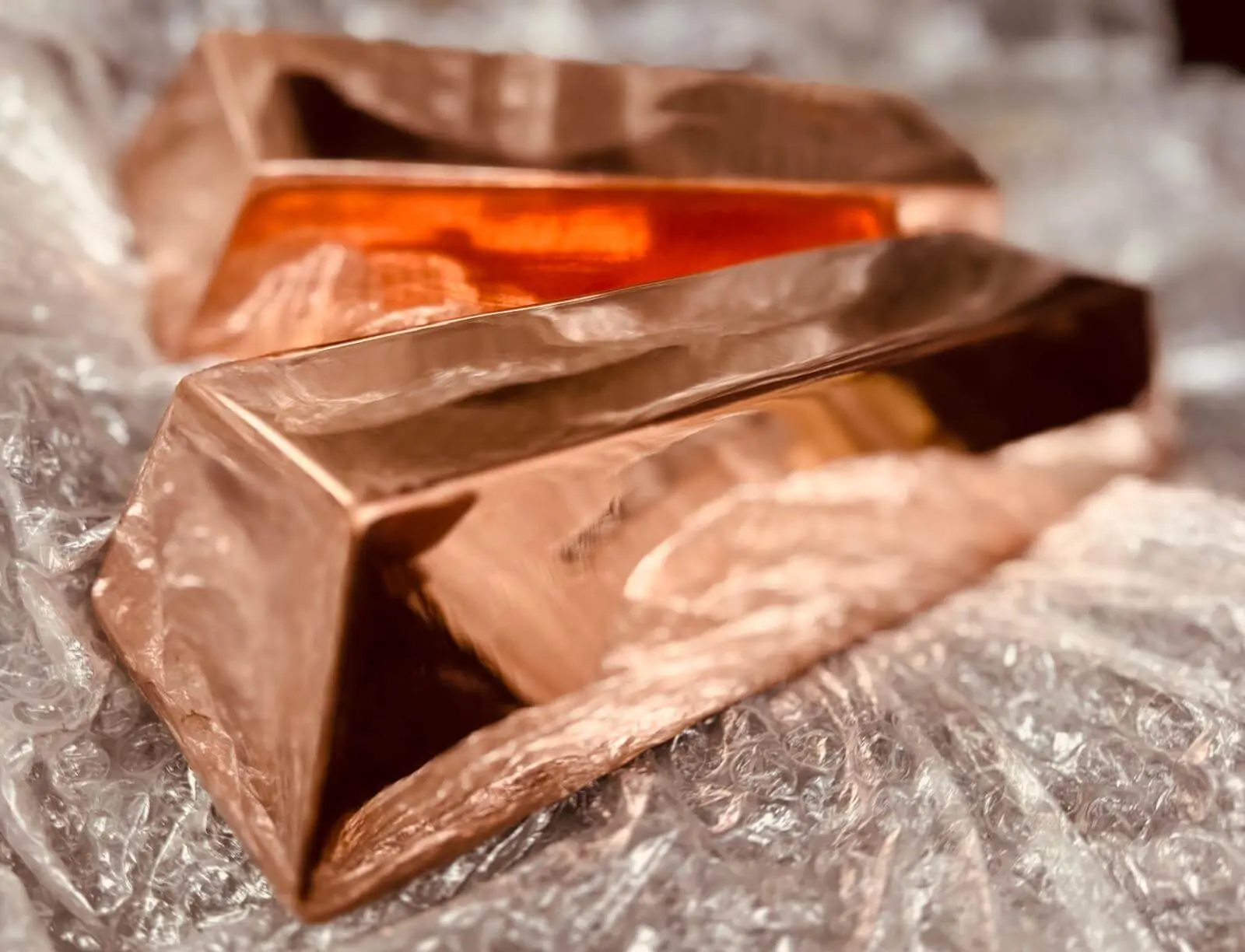
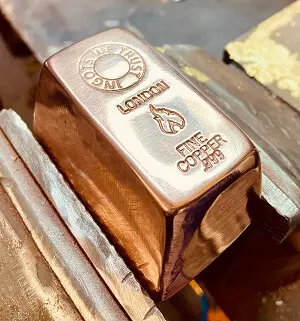
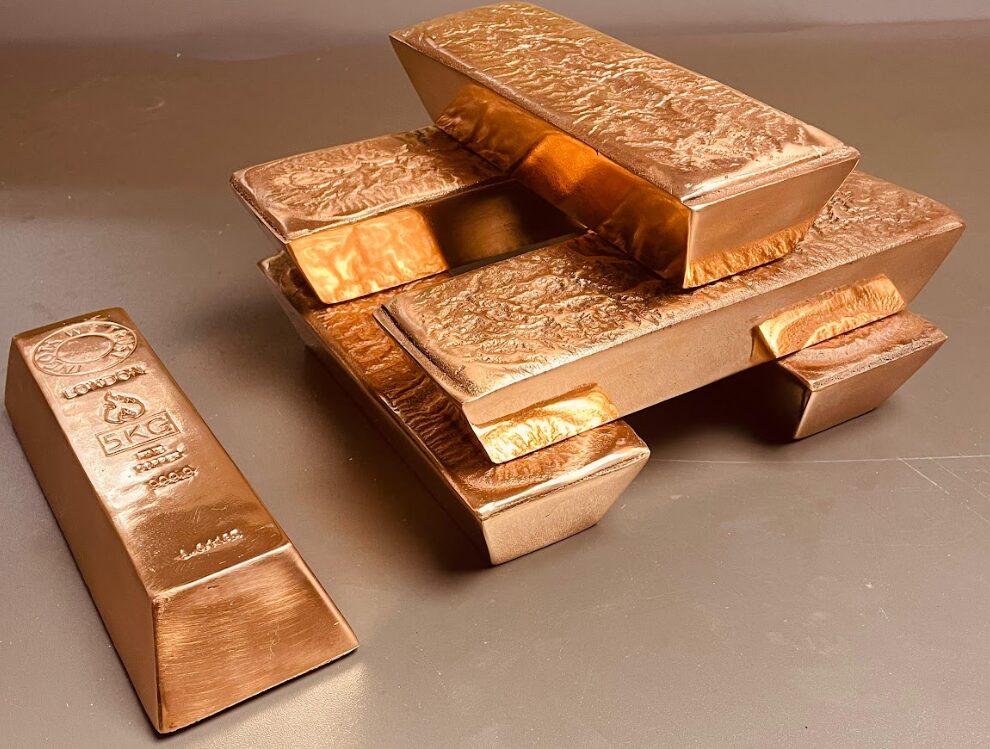
When the copper price per pound surges, the absolute cost of verified, high-purity copper ingots increases proportionally. A £1.00 increase in the price of copper per kg means an additional £1.00 per kilogram on every copper ingot you buy which compounds quickly for large purchases in The Behemoth format. What should not increase with copper price surges is the premium-to-spot ratio that reputable sellers charge. If copper prices rise 10% and a seller’s premium also widens by a similar proportion, that is not market pricing, that is margin expansion at the buyer’s expense.
KPS provides a live purity-to-price scaling tool that remains useful precisely in environments of rising copper prices, because it recalculates fair value in real time as the price of copper per kg moves. Buyers using KPS to verify pricing during a copper price surge can confirm whether the asking price for a specific copper ingot or copper plate is tracking the spot move correctly or has been padded with a wider-than-usual margin.
Investing in Copper During a Price Surge: Practical Guidance for UK Buyers
The psychology of investing in copper during a price surge is a well-documented trap. Rising copper prices attract attention, attention creates urgency, urgency leads to purchases at elevated premiums from sellers who have correctly identified that demand is temporarily less price-sensitive. The antidote is a disciplined process: always calculate intrinsic metal value using the current copper price per pound, always compare that figure against the asking price, and always assess whether the premium is within a reasonable historical range before buying.
For those building a long-term physical copper position, price surges are not necessarily a reason to pause entirely, missing sustained structural price appreciation by waiting for a perfect entry point is its own mistake. A staged approach, buying in tranches at defined price levels relative to the price of copper per kg, smooths entry cost over time without requiring a market-timing conviction that is rarely achievable in practice.
The Precious range smaller copper coins and artisan pieces can be a sensible way to continue accumulating copper during a price surge without committing large sums at a single elevated price point. Adding incrementally through The Precious while reserving capital for larger The Behemoth purchases when copper prices consolidate is a pattern that UK copper stackers describe as both practical and financially sound. Learn more about Top Copper Companies and Their Impact on Market Trends
Frequently Asked Questions
What is causing the current surge in the copper price per pound?
The current copper price per pound surge reflects a combination of structural demand growth driven by EV manufacturing, grid infrastructure, and data centre construction against a supply side constrained by underinvestment in new copper mining capacity, declining ore grades at mature mines, and periodic refinery bottlenecks. These are not short-term speculative factors; they reflect a multi-year supply-demand imbalance that is expected to persist through the late 2020s based on the current pipeline of copper mining projects.
How should rising copper prices affect my decision to buy copper ingots?
Rising copper prices increase the absolute cost of copper ingots but do not necessarily reduce the investment case. The structural drivers behind the copper price surge support continued long-term price appreciation. The key discipline is to verify that premiums above spot are not widening alongside copper prices, use KPS’s purity scaling tool to confirm fair value in real time, and consider a staged buying approach entering in tranches over several months rather than making a single large purchase at a price peak.
Does the copper price per pound affect copper coins and The Precious range differently?
Yes. Copper coins and The Precious pieces carry a collector premium above the copper price per pound, which means a rising copper price increases the metal floor value without necessarily increasing the total premium buyers pay for the collector component. In practical terms, The Precious tends to appreciate more slowly than the copper price in a surging market, because the collector premium component dilutes the spot-price sensitivity. The Behemoth-format ingots, priced close to the price of copper per kg, respond more directly to copper price movements.
How do copper companies’ decisions affect the duration of a copper price surge?
Copper company capital expenditure decisions determine how quickly new copper mining supply can come online to relieve price pressure. When copper companies announce significant new project investment, copper prices may moderate on the forward expectation of additional supply though the actual production may be years away. When copper companies defer investment or report delays to existing projects, price surges tend to extend because the market anticipates continued supply tightness. Monitoring copper company capex guidance is therefore a useful indicator for how long a copper price per pound surge is likely to persist.
What is the price of copper per kg likely to do over the next 12 months?
Specific price forecasts are outside the scope of this guide, but the structural picture constrained copper mining supply meeting growing electrification demand supports a broadly constructive outlook for copper prices over the medium term. Short-term fluctuations are inevitable and can be significant. For physical copper buyers investing in copper for the long term, the structural case is more relevant than any 12-month price target, and maintaining a position through short-term volatility has historically been more rewarding than attempting to time copper price movements precisely.




Leave a Comment
Your email address will not be published. Required fields are marked *