

There’s a gap in most copper content online between the raw industrial supply chain and the finished pieces that collectors and investors actually hold. A coppersmith working seriously with high-purity copper isn’t just shaping metal; they’re making decisions about feedstock, purity verification, and refining processes that directly determine the quality and value of what they produce. Understanding how a skilled coppersmith uses copper concentrate gives buyers a much clearer sense of what separates genuinely high-grade copper work from generic secondary material.
This post covers the practical realities of copper concentrate use in craft and small-scale refining, why purity testing is non-negotiable at every stage, and how the finished copper ingots and copper plates that reach collectors connect back to decisions made much earlier in the production process.
Copper Concentrate Explained: What a Coppersmith Actually Works With
Copper concentrate is not refined copper. It is an intermediate product from copper mining operations typically containing 25–35% copper by weight alongside iron sulphides, silica, and trace minerals. It arrives at smelters and small-scale refining operations in dry, granular form and must be processed further before it becomes the high-purity copper used in quality copper ingots, copper plates, or copper coins.
A coppersmith working at the craft or small-batch end of the market generally does not start from raw copper concentrate. More commonly, they work with electrolytic copper cathodes, the refined output of large-scale copper processing or with fire-refined copper rod and plate sourced from established copper companies. This distinction matters because it determines the purity ceiling of whatever the coppersmith produces. Starting from verified electrolytic feedstock means the finished copper work can be documented as 99.9% or higher. Starting from unverified secondary copper means the purity is uncertain until tested.
UK craft metalworking communities, including r/Blacksmithing and r/DIYMetalworking, regularly discuss feedstock sourcing. A recurring theme in those threads is that coppersmiths who document their feedstock and test their finished output command considerably better prices and attract more discerning buyers than those who rely on vague provenance claims.
Coppersmith Purity Testing: From Copper Concentrate to Finished Copper Ingots
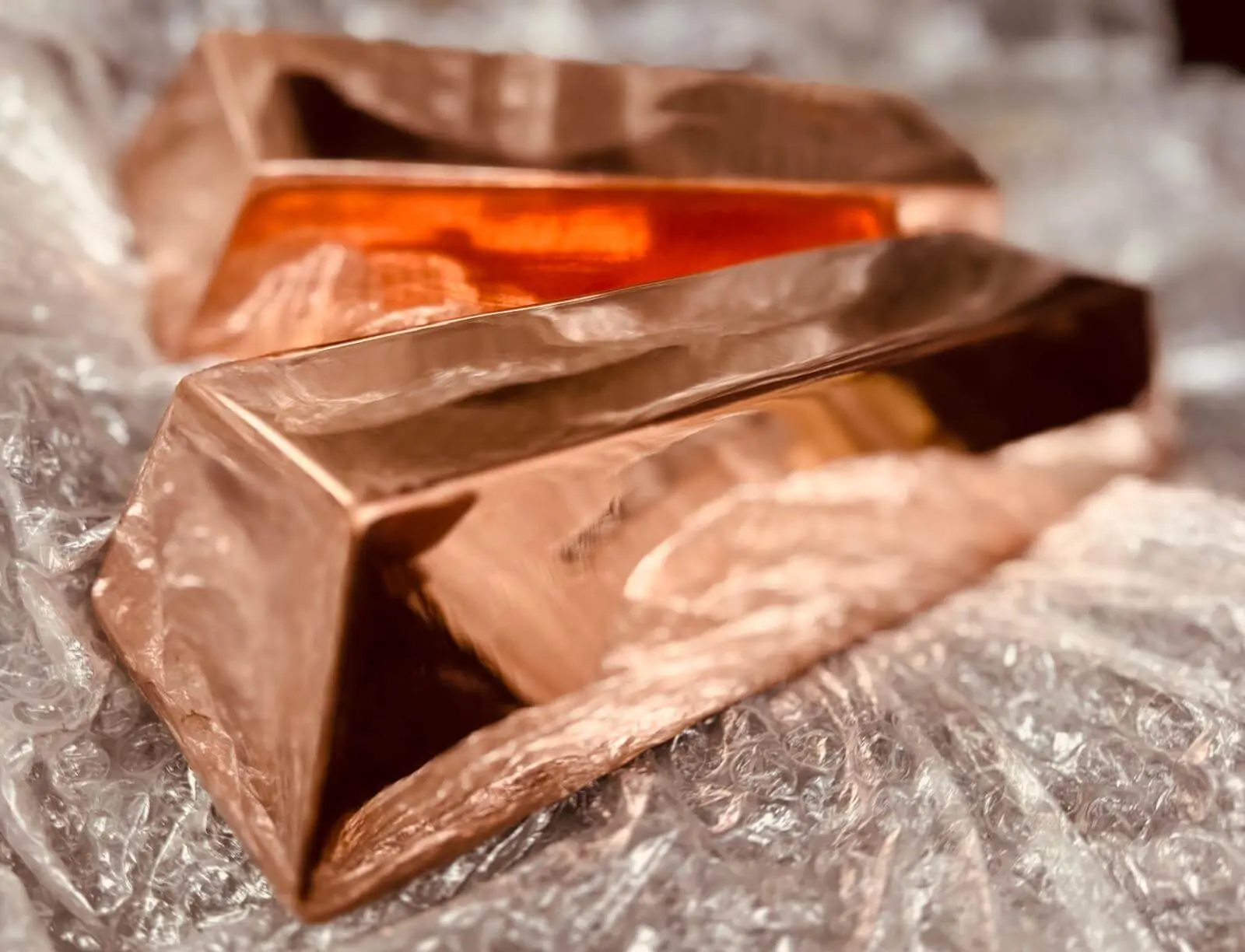
For a coppersmith producing copper ingots or copper plates intended for sale to collectors or investors, purity testing is not an afterthought it is part of the production process. The most practical testing approach at craft scale involves three stages: feedstock verification before smelting, in-process spot checks during pouring, and finished-product assay before sale.
Feedstock verification typically uses an XRF (X-ray fluorescence) gun, which gives an immediate elemental breakdown without damaging the sample. For coppersmiths without XRF access, nitric acid spot testing provides a lower-cost initial check, though it is less precise. In-process checks at the molten stage are less common at small scale but useful for catching contamination from crucible materials or atmospheric oxidation.
The finished-product assay, ideally a formal certificate of analysis from an accredited testing lab is what matters most to buyers investing in copper through physical products. KPS provides a purity scaling framework that translates any confirmed purity grade into a fair-value range against current copper prices, giving both coppersmiths and their customers a transparent pricing reference.
Copper Prices and Market Trends: How They Shape a Coppersmith’s Material Costs
Copper prices directly affect what a coppersmith pays for electrolytic feedstock, which in turn affects the price of finished copper for sale. When the copper price per pound rises sharply, as it has through early 2026, the cost of raw material increases proportionally and those costs pass through to finished copper ingots and copper plates. Buyers who understand this dynamic are less likely to push back on price increases that simply reflect market reality.
The inverse is also true. When copper prices soften, a coppersmith sourcing electrolytic copper from copper companies benefits from lower input costs which creates margin to offer more competitive pricing or invest in better finishing and documentation. Staying informed about copper price per kg trends is not just useful for buyers; it is a core part of managing a copper craft business profitably.
Community discussions on r/CopperStackers have noted that the best-regarded UK coppersmiths explicitly reference current copper prices in their product listings, showing buyers exactly what portion of the price reflects metal value versus craft. That transparency builds trust and reduces the friction that arises when buyers aren’t sure whether they’re paying for copper or for someone’s ambiguous markup.
Investing in Copper Products from a Coppersmith: What to Look For
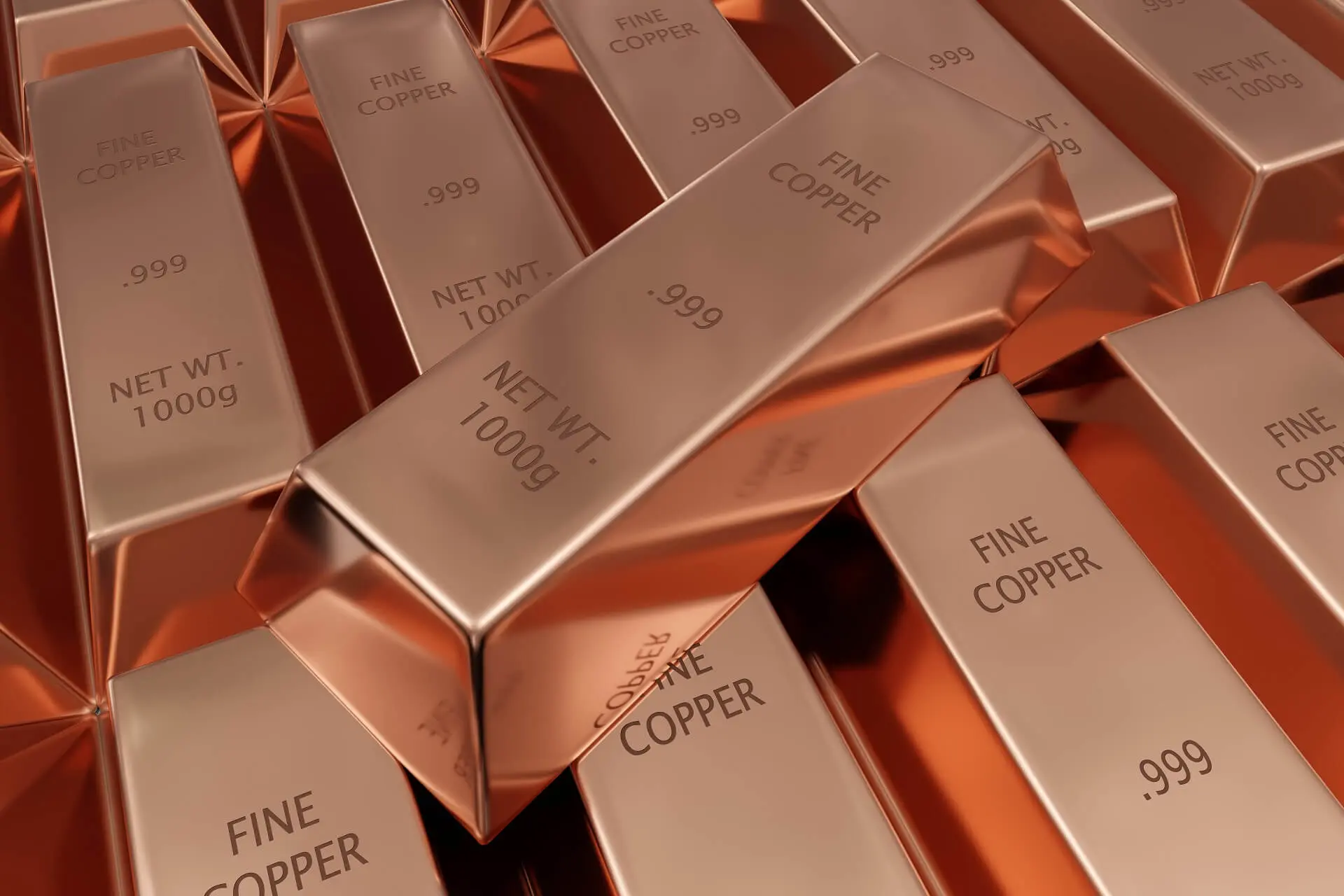
For collectors and investors approaching copper for sale from craft or artisan sources, a few verification habits make the difference between confident purchases and regrettable ones. First, always ask for documented purity either a certificate of analysis or an XRF test result. Second, check the asking price against the current price of copper per kg to understand how much of the price is metal value and how much is craft premium. Third, consider how the piece fits into your broader copper holdings.
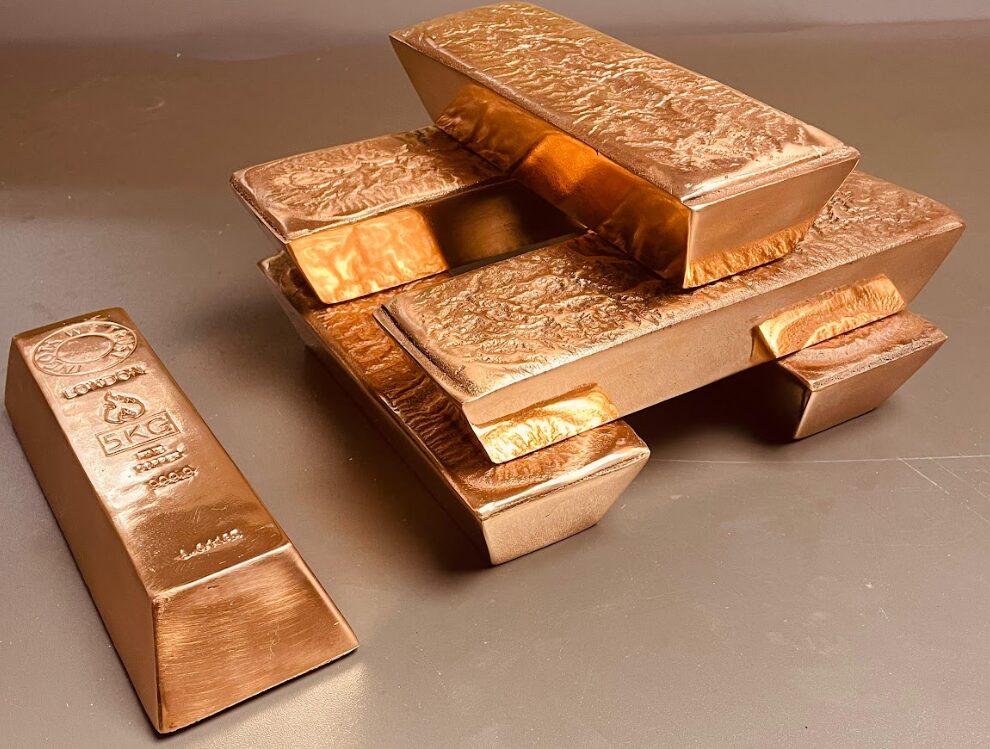
Smaller artisan pieces the kind that fall into The Precious category are priced partly on aesthetics and rarity. Larger copper ingots, particularly those in The Behemoth format, should price much closer to spot. Understanding which category you’re buying from a coppersmith prevents the most common mistake: paying The Behemoth price for something that is really The Precious with aspirational pricing. Learn more about Understanding Copper Prices – Current Price of Copper per Kg in 2026
Frequently Asked Questions
What is copper concentrate and how does a coppersmith use it?
Copper concentrate is partially refined ore from copper mining operations, containing roughly 25–35% copper by weight. Most coppersmiths do not work directly with copper concentrate; they typically source pre-refined electrolytic copper or fire-refined rod from established copper companies. Copper concentrate is an industrial-scale feedstock that requires smelting and electrolytic refining before it becomes the high-purity copper used in quality craft and collector products.
How can I tell if copper ingots from a coppersmith are high-purity?
Ask for a certificate of analysis or an XRF test result confirming copper content percentage. High-purity electrolytic copper should test at 99.9% or above. If a coppersmith cannot provide documentation, treat the purity claim with caution. You can also use KPS’s purity scaling tool to cross-reference a stated grade against the current price of copper per kg and confirm that the asking price is consistent with what that grade should cost.
Why does copper price per pound matter when buying handmade copper pieces?
Because the copper price per pound sets the minimum cost of the metal in any copper piece, regardless of how it has been worked. A handmade copper ingot is not exempt from commodity pricing its metal content has an intrinsic value tied directly to current copper prices. Understanding the copper price per pound baseline lets you separate the fair metal value from the craft premium, and decide whether the total price represents good value.
Do coppersmiths work with The Precious and The Behemoth formats?
Yes, though the terminology comes more from collector communities than craft producers. The Precious smaller, often decorative copper pieces align naturally with artisan coppersmith work: hand-poured coins, miniature bars, and sculptural pieces where craft is part of the value. The Behemoth large, high-weight copper ingots tend to be produced at a slightly more industrial scale, though skilled coppersmiths do produce large-format pieces for serious collectors. The key distinction is always purity documentation and pricing transparency relative to current copper prices.
How does copper mining supply affect what coppersmiths charge for finished copper?
Copper mining output determines the supply of copper concentrate, which feeds through the refining chain into the electrolytic copper that coppersmiths source as raw material. When copper mining faces disruptions as it has periodically in 2025 and into 2026 refined copper supply tightens and the price of copper per kg increases. Those input cost increases feed directly into what a coppersmith must charge to maintain margin on finished copper plates, copper ingots, and copper coins. Buyers who understand this connection approach craft copper pricing more constructively.



Leave a Comment
Your email address will not be published. Required fields are marked *