
If you spend any time on metals or scrap forums, you see the same debate again and again. Should you melt scrap into neat bars, or leave it as it is and take it to the foundry? The internet version of this argument feels new, but the tension between scrap value and refined value is as old as organised copper mining.
Historic pits, smelters, and workshops had to solve many of the same problems modern investors talk about today. How do you decide what is worth processing? How do you handle quality? How do you price risk in a long supply chain from rock to refined bar
Looking at that journey from scrap to smelter in the past can help modern investors think more clearly about copper ingots, company shares, and the stories behind any piece of refined metal.
Scrap And Smelter Economics In Early Copper Mining
In busy centres of copper mining like Parys Mountain, nothing was wasted without thought. Ore came out of the ground in varying quality. High-grade pieces were prized. Lower-grade, mixed material was more like the modern idea of scrap.
Early smelters had to decide what piles justified the cost of transport and fuel. If they underestimated, they burned money on rock that barely paid for itself. If they ignored too much marginal material, they left value in the waste heaps. That basic judgment call is not so different from a modern investor choosing between dirty scrap, mid-grade material, and fully refined copper ingots.
Even then, the real money did not sit in random scrap. It sat in predictable feedstock and well-understood grades. That is one of the reasons why the move to copper concentrate near the mine was such a turning point.
From Waste Piles To Copper Concentrate: Lessons In Upgrading
As techniques improved, mining districts learned that it was more efficient to upgrade ore before sending it away. Sorting, crushing, and roasting created copper concentrate that travelled better and smelted more efficiently.
This had two important effects. First, it forced operators to measure content more carefully. Second, it created a clearer gap between low-grade scrap and high-value concentrate. The more predictable the feed, the easier it was to finance expansion and sign longer-term supply deals.
Modern investors face a similar split. Raw and mixed material can be cheap, but it is harder to sell and often attracts suspicion, just like unlabelled bars in a scrap yard. Refined forms, from industrial cathode to marked copper ingot, usually carry a premium, but they also sit closer to the pricing benchmarks that traders and analysts follow.
The old story of upgrading ore into copper concentrate is a reminder that value often increases when material becomes more standardised and more transparent.
How Copper Companies Balanced Scrap, Risk and Reputation
Historic copper companies controlled pits, smelters, and, in some cases, shipping and local housing. They lived or died by the quality of the metal they sent to shipyards, merchants, and workshops.
If they tried to stretch profits by blending too much low-grade scrap into their feed, customers noticed. Plates cracked. Fittings failed. Contracts were lost. The short-term gain from using inferior material was quickly cancelled by damage to reputation.
For a modern investor, this mirrors the difference between a producer that proudly documents its grades and practices and one that hides behind vague language. Just as early buyers learned to favour reliable copper companies that delivered consistent metal, today it often pays to be selective, whether you buy shares, futures, or physical copper ingots.
Workshops, Coppersmith Skills, and Feedback From Copper Plates
The final judge of quality was often the workshop. The coppersmith working at the bench did not care about grand claims or glossy promises. They cared whether the metal in front of them behaved properly.
Using bar stock and copper plates, the coppersmith hammered, annealed, and shaped copper into pots, roofing, decorative panels, and fittings. If a batch was brittle or full of impurities, it split and wasted hours of labour. Word travelled fast. Smelters and suppliers that repeatedly shipped poor material found themselves pushed aside in favour of more reliable rivals.
This is still instructive. Modern quality problems with plate and bar often show up first in craft and engineering communities, long before they appear in formal reports. Investors who pay attention to how makers talk about copper plates and feedstock can gain an early sense of which producers take grade seriously and which are cutting corners.
Local Copper Coins Trust and The Value Of Metal
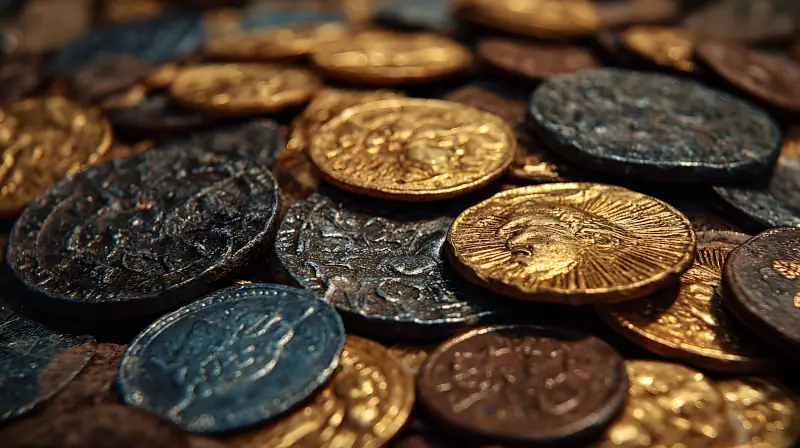
In many mining districts, official money was scarce. Owners and merchants sometimes responded by issuing copper coins and tokens that circulated within the community. These pieces were backed by the reputation of the issuer and by the perceived strength of local copper mining.
Holding one of these copper coins was a way of storing small value that linked directly back to the metal under the ground and the work in the smelter. It was a primitive but powerful form of metal-backed confidence.
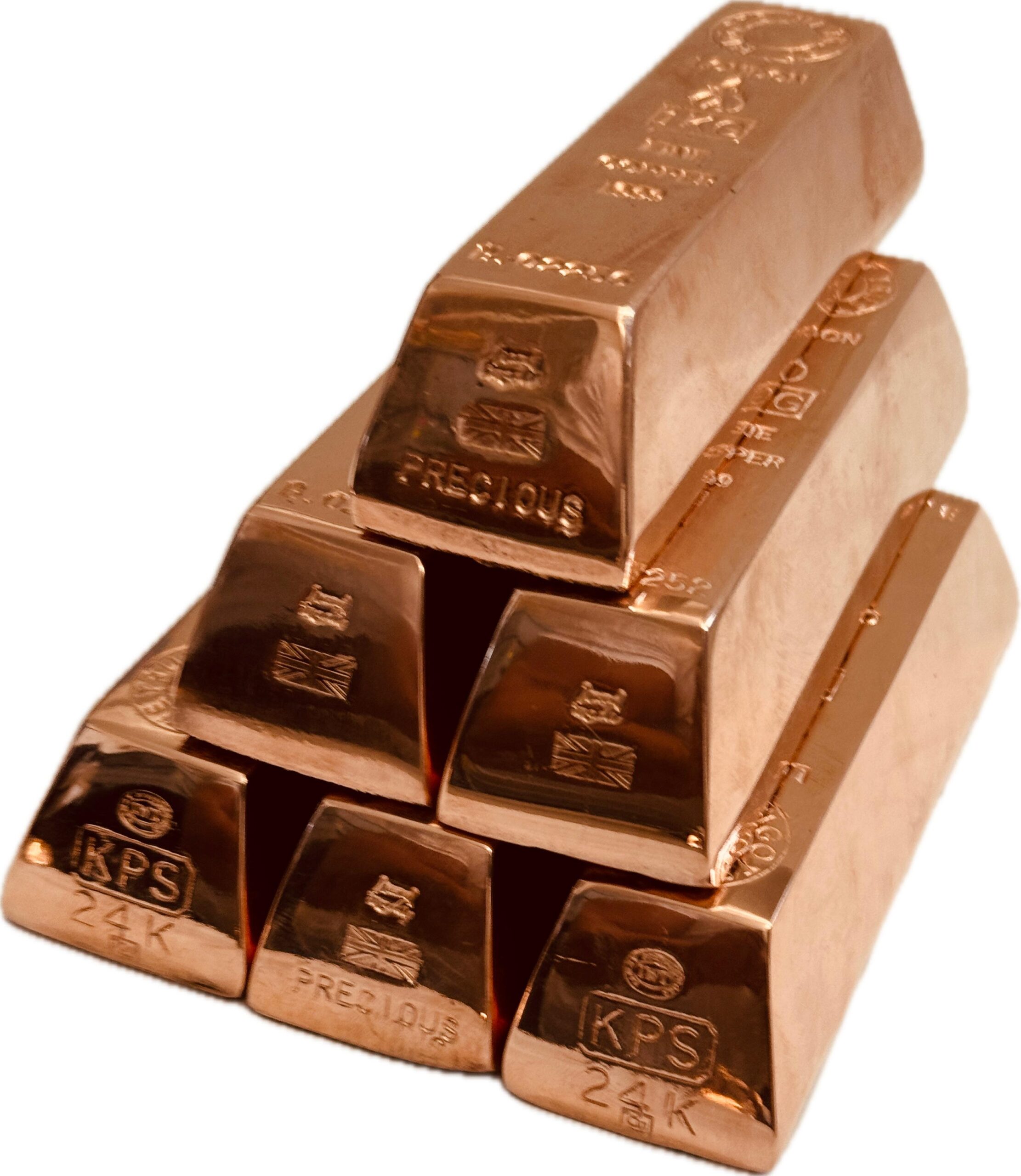
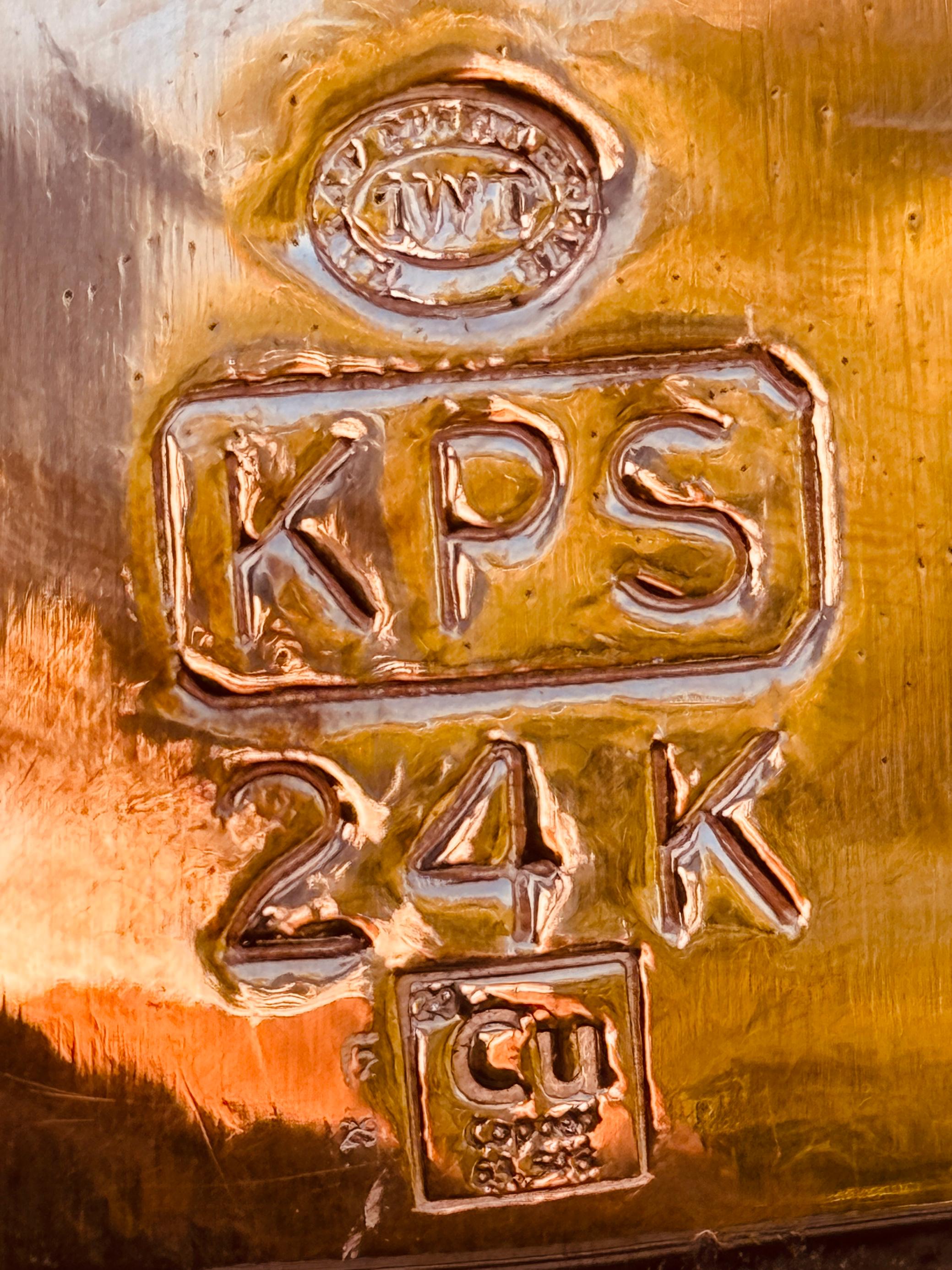
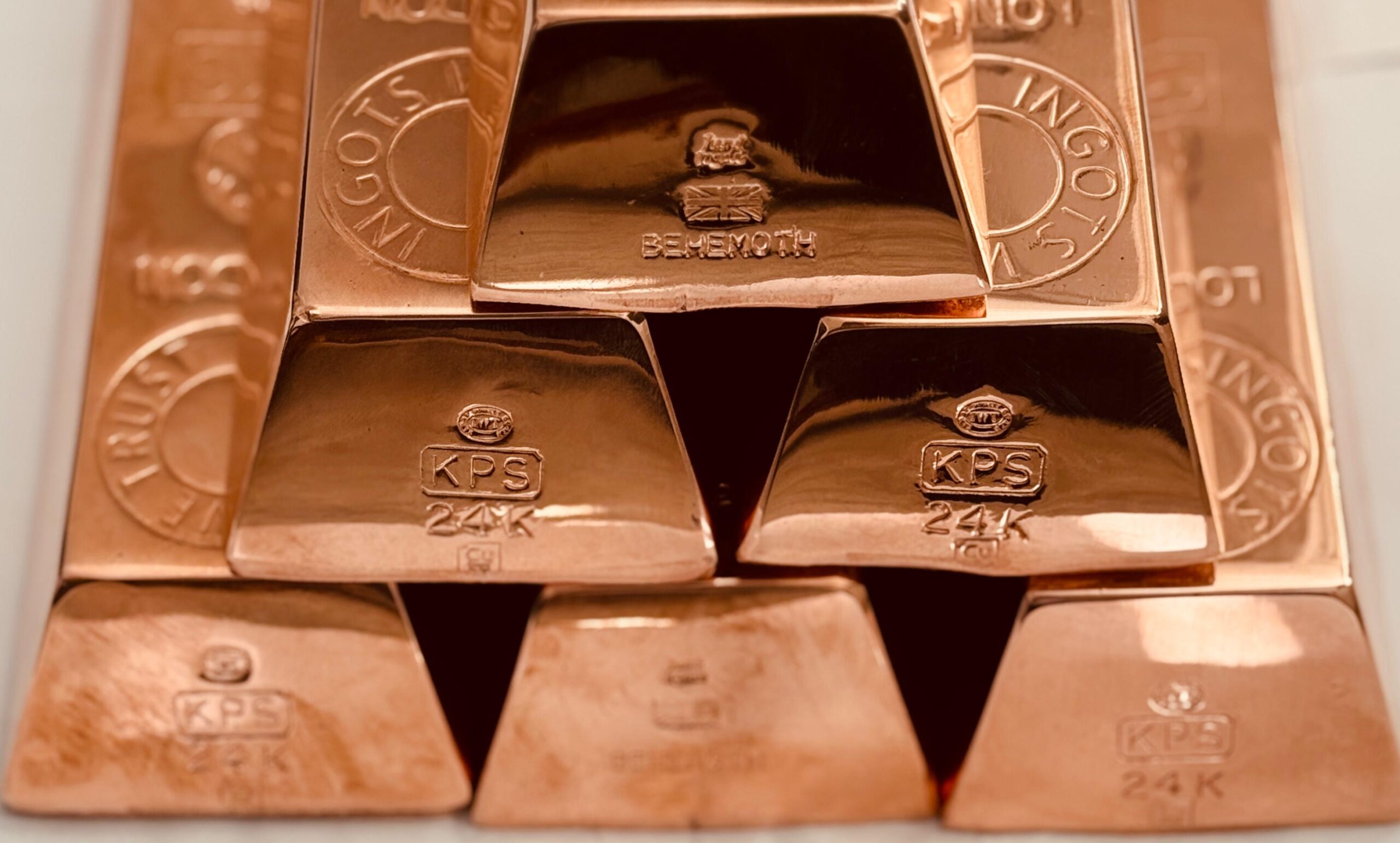
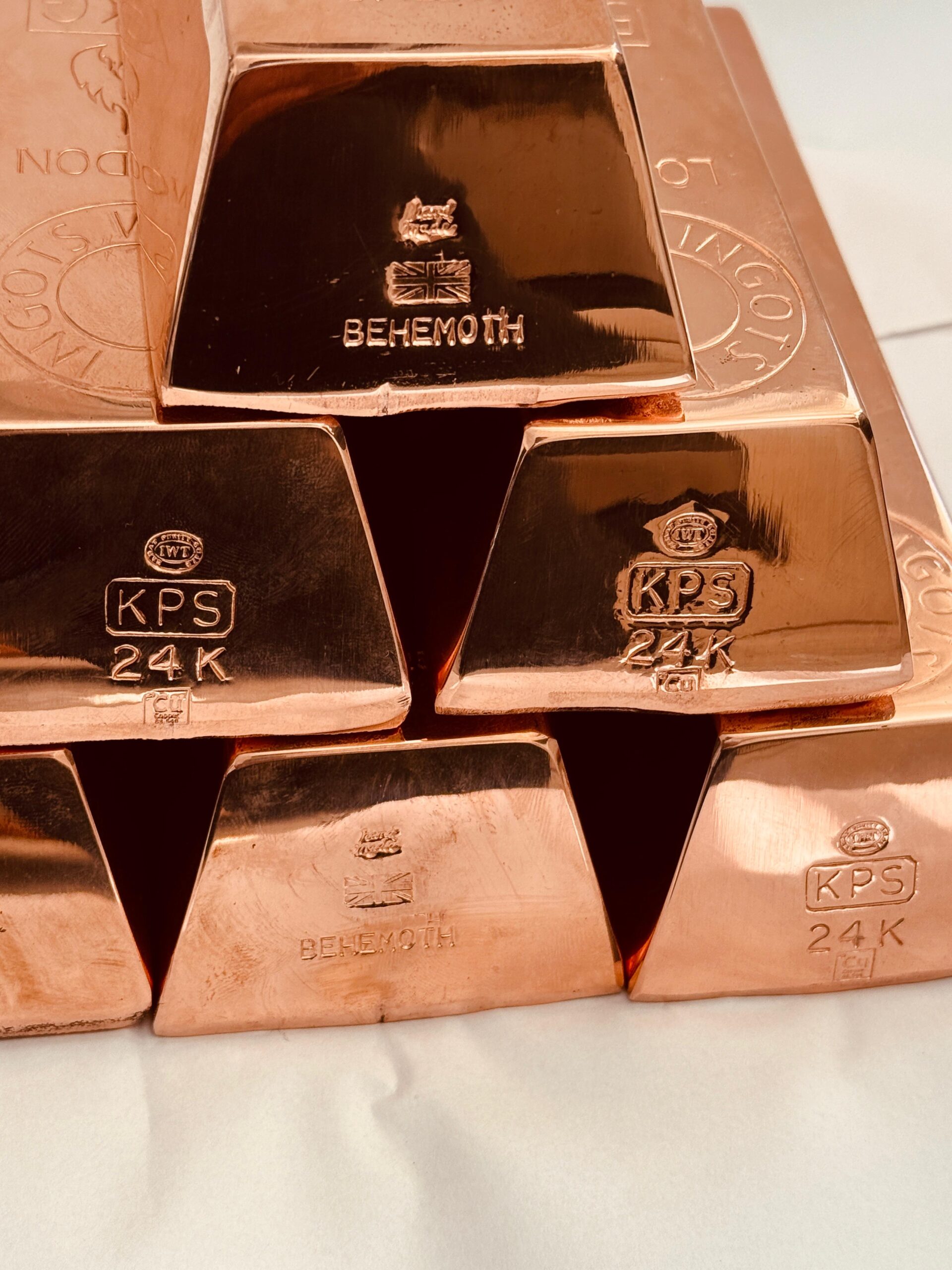
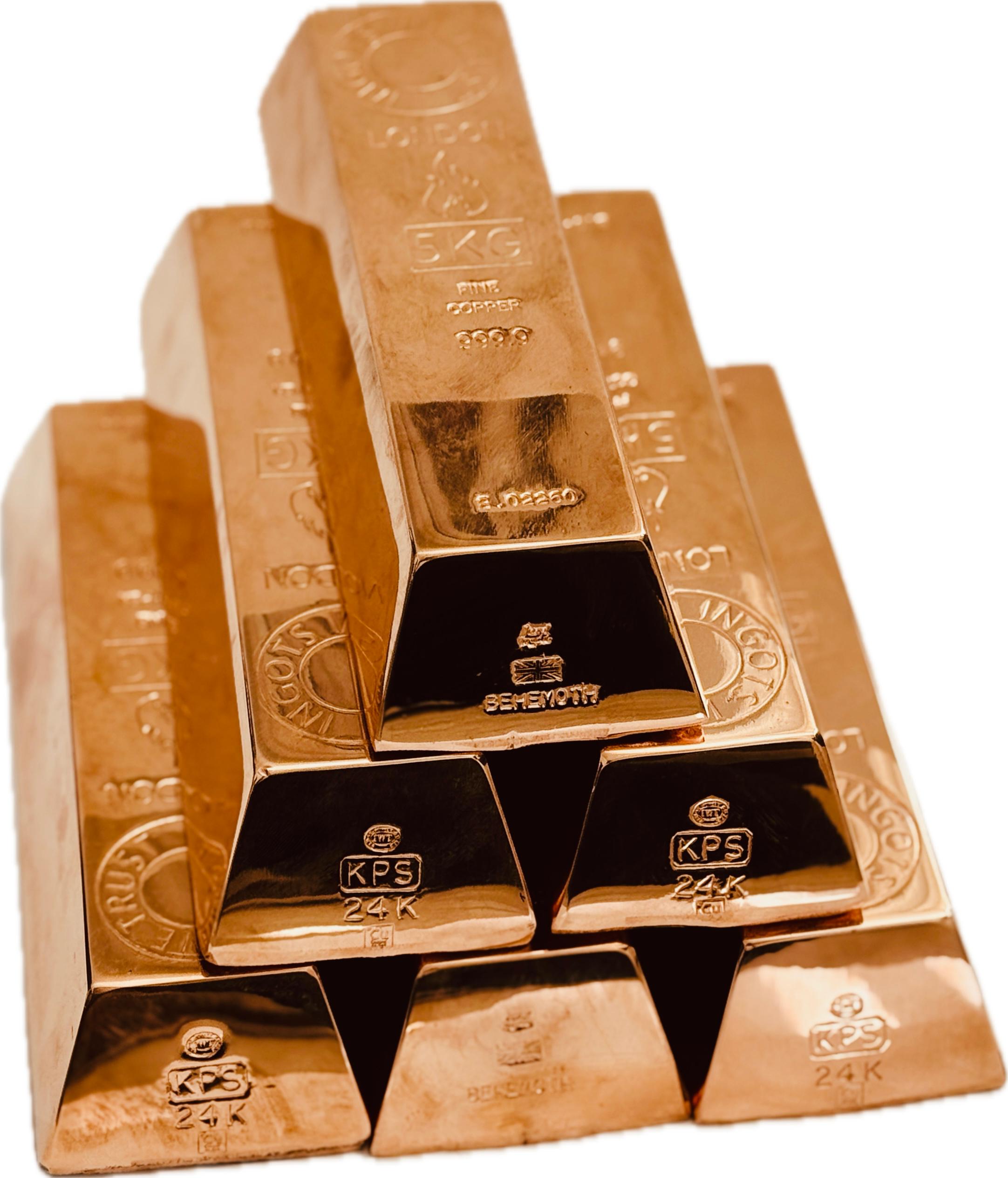
For a modern investor, this is not so far from the appeal of a clearly marked copper ingot. A well-made ingot from a trusted source is both a chunk of metal and a promise about grade and origin. While financial products offer easier trading, they do not deliver that same direct link between material and story.
From Historic Scrap Debates To Modern Copper Ingot Stacks
On current scrap-focused forums, you often see questions about whether it makes sense to melt wire and pipes into home-poured bars. The answers frequently mention the same problems historic operators faced. Unverified bars can be hard to sell. Yards may discount or refuse them because they might hide lower-value metal inside.
Historic practice suggests a clear lesson. Processing scrap into neat shapes is worthwhile when it increases transparency and trust, not just when it looks tidier. That is why independently tested, clearly marked copper ingots have a very different status from random home-poured blocks, just as branded refined metal from respected copper companies differed from unknown lumps in the nineteenth century.
If you are thinking about a position in physical copper, this history suggests focusing on traceable, well-documented pieces rather than chasing the illusion of easy profit by melting mixed scrap. Learn more about From Parys Mountain To KPS: Why Historic Copper Grades Still Matter
Frequently Asked Questions
Q: What does early copper mining teach us about modern scrap value
Historic copper mining shows that raw, mixed material was always discounted compared to clean feedstock. Owners and smelters only paid full rates for ore or scrap that they could trust. The same pattern applies now. Dirty scrap is cheap for a reason. Refined or well-graded material, including clearly marked copper ingots, commands a more stable and predictable value.
Q: How does copper concentrate relate to investor decisions today
The old method from raw ore to copper concentrate near the mine was about efficiency and clarity. Modern concentrate markets still reflect that logic. When you follow news about concentrate supply, treatment charges, or disruptions, you are really watching the same trade-off between cost and grade that early operators struggled with. Understanding this helps you interpret how supply issues might affect refined prices and the health of copper companies.
Q: Why are coppersmiths and copper plates relevant for someone who only invests
The coppersmith using copper plates is a frontline tester of metal quality. If many craft workers complain about certain sources of plate cracking, then it’s a warning sign about the underlying quality or process. Even if you never touch a hammer, paying attention to these signals can help you judge whether a producer that markets itself heavily is really delivering the grade that its branding implies.
Q: What can historic copper coins teach us about physical copper today
Historic copper coins and tokens from mining towns were tiny contracts between issuer and holder. They showed that people were willing to accept copper as a store of value when they believed in the mine and the company behind it. Modern marked copper ingots fill a similar emotional and practical space. They are not only metal, but also a claim about origin and purity that can support collector or investment interest over time.
Q: Is it smart to melt my own scrap into copper ingots for investment
History and current scrap yard practice both suggest caution. Unless you can certify content and purity in a trusted way, many buyers will treat home-poured bars with suspicion. You may actually reduce liquidity and value by turning standard forms into unverified ingots. For most people who want exposure through physical metal, buying traceable copper ingots from respected sources or from branded copper companies is a more reliable route.
Q: How can knowledge of historic copper companies help my modern portfolio
Understanding how early copper companies balanced grade, scrap use and community reputation can help you form a better understanding of where art bars began. Those that treat grade and transparency with respect tend to build stronger brands, which can support both their market position and the perceived value of any refined copper ingots they release to collectors and investors.
One Response