

You’ve probably noticed copper prices climbing recently. Just last week, I spoke with a mate who runs a small electronics workshop in Manchester, and he’s been tracking every penny of the price of copper per kg because it directly impacts his bottom line. Whether you’re investing in copper, sourcing copper ingots for manufacturing, or simply trying to understand where the copper market’s heading, having reliable price tracking makes all the difference.
Price of Copper Per Kg: Understanding Today’s Market
The copper market is currently trading around £3.60 per pound (approximately £7.90 per kg), though these figures shift throughout the day. What’s fascinating is how quickly things can change. The London Metal Exchange serves as the global benchmark, but local scrap metal prices in Manchester and London often differ slightly from these official rates.
According to recent UK scrap metal pricing, copper ranges from £5.80 to £6.30 per kg for various grades. That’s quite a spread, isn’t it? The variation depends on purity levels, with bare bright copper fetching premium rates whilst lower grades like Copper #2 command less.
For those tracking the copper price per pound specifically, recent fluctuations saw prices pulling back from all-time highs to around £4.75 per pound after policy announcements from Washington affected critical mineral imports. This volatility underscores why platforms like KPS (Karat Purity Scale) are increasingly valuable for real-time market monitoring.
Investing in Copper: Is It Right for Your Portfolio?
Here’s something you might find interesting. A Reddit user recently shared how they’d actually made more profit on copper bullion than silver over the past decade. Mind you, they were quick to caution that past performance doesn’t guarantee future results, but it does highlight copper’s potential.
In the previous calendar year, copper prices jumped substantially, demonstrating returns that caught many investors’ attention. The shift towards investing in copper stems from several compelling factors:
Supply constraints are real. Copper mines take between 10 to 15 years to develop, which means today’s supply was planned well over a decade ago. Meanwhile, demand keeps accelerating. Electric vehicles require two to four times more copper than traditional petrol cars, and every wind turbine, solar panel, and AI data centre adds to global consumption.
Many UK investors approach copper through mining company shares or international exchange-traded funds, as direct copper ETFs aren’t readily available domestically. Companies like Glencore, Antofagasta, and Central Asia Metals offer exposure to copper prices through the London Stock Exchange. Glencore is aiming to drastically ramp up production to 1.6 million tonnes by 2035, nearly doubling current output levels.
However, investing in copper carries risks. The commodity’s volatility means prices can move sharply due to economic data, geopolitical events, or disruptions in major producing countries like Chile and Peru. Some financial advisors suggest keeping copper allocations modest within a diversified portfolio, perhaps 5-10%, rather than making it a core holding.
Copper Ingots: Physical Metal or Paper Investment?
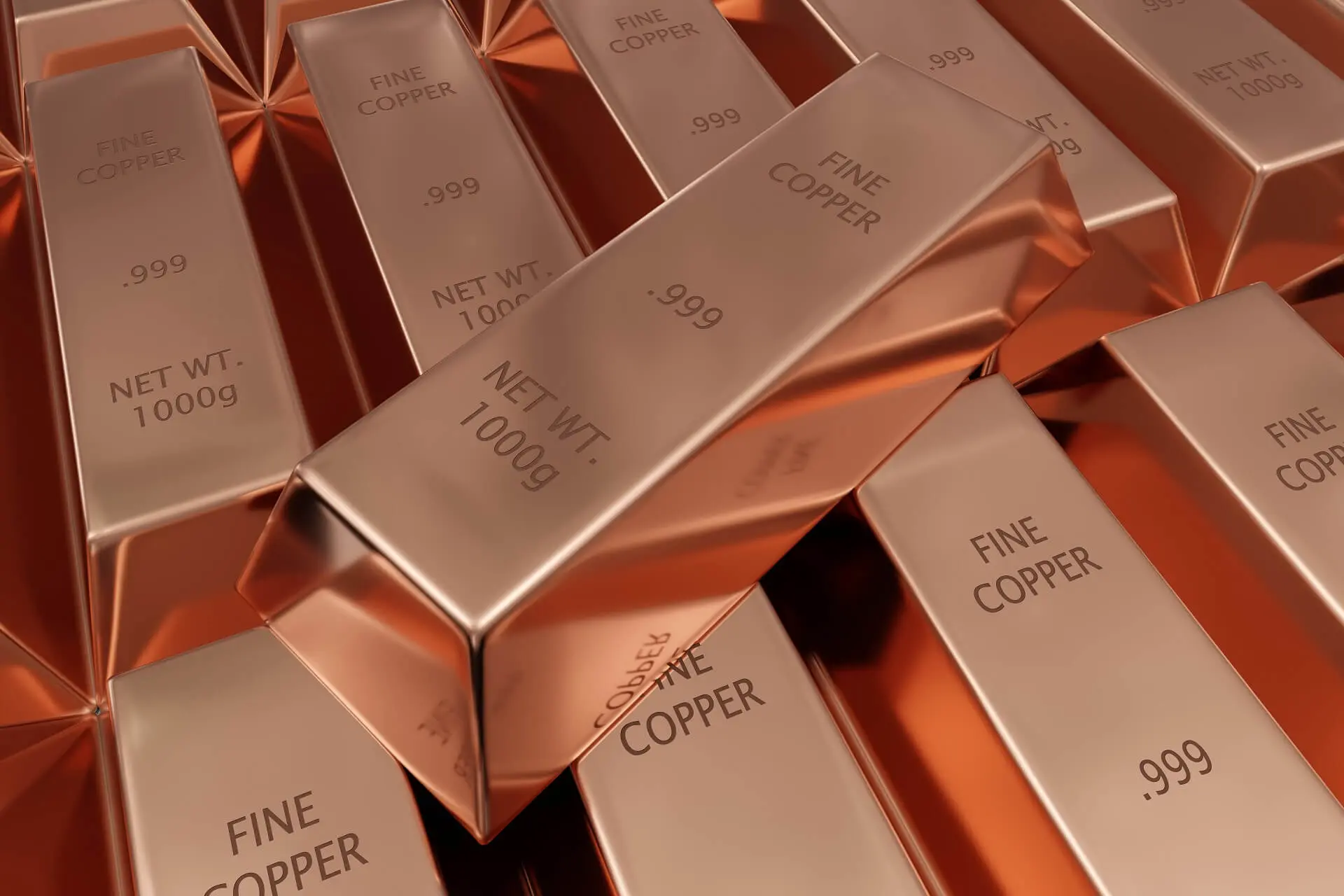
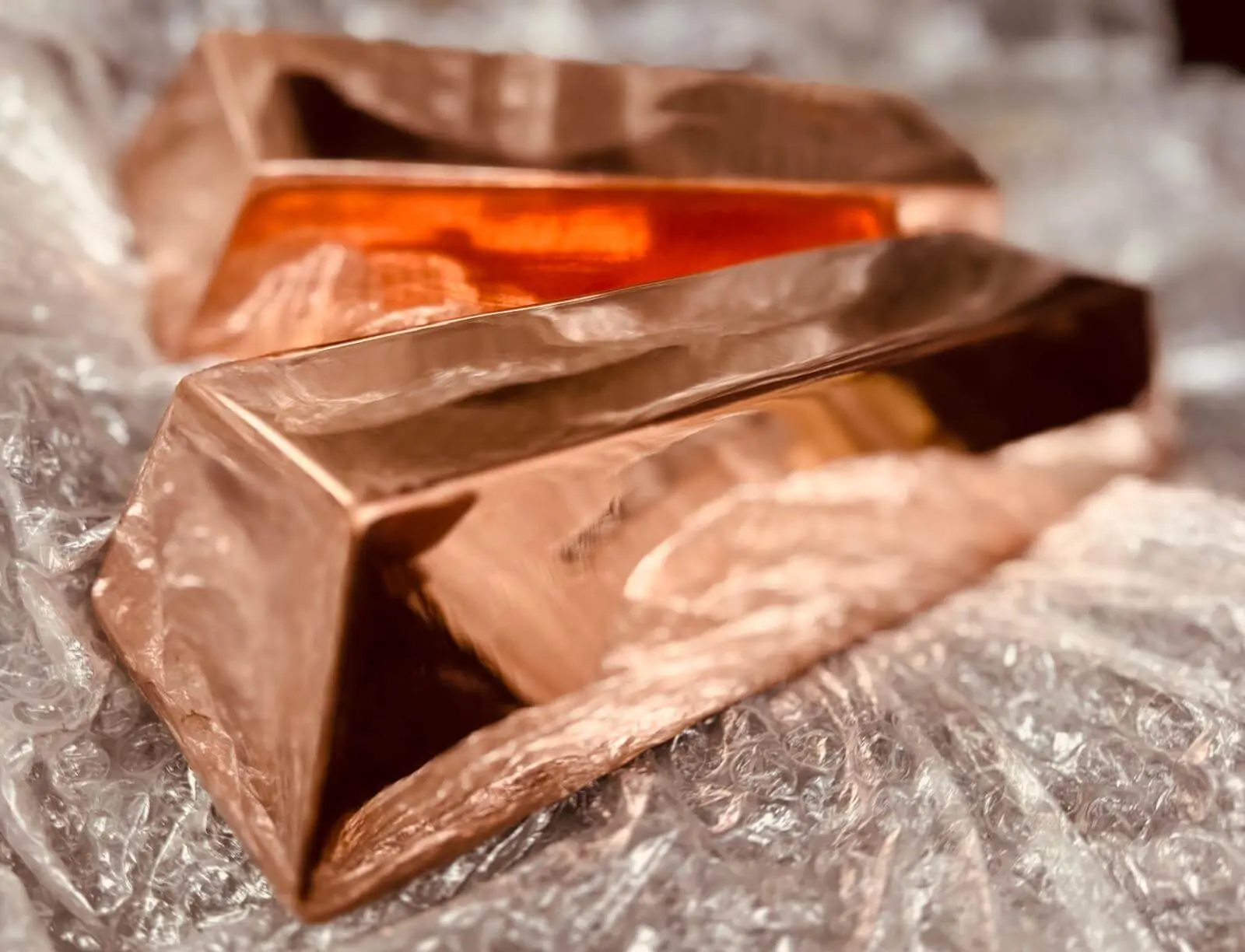
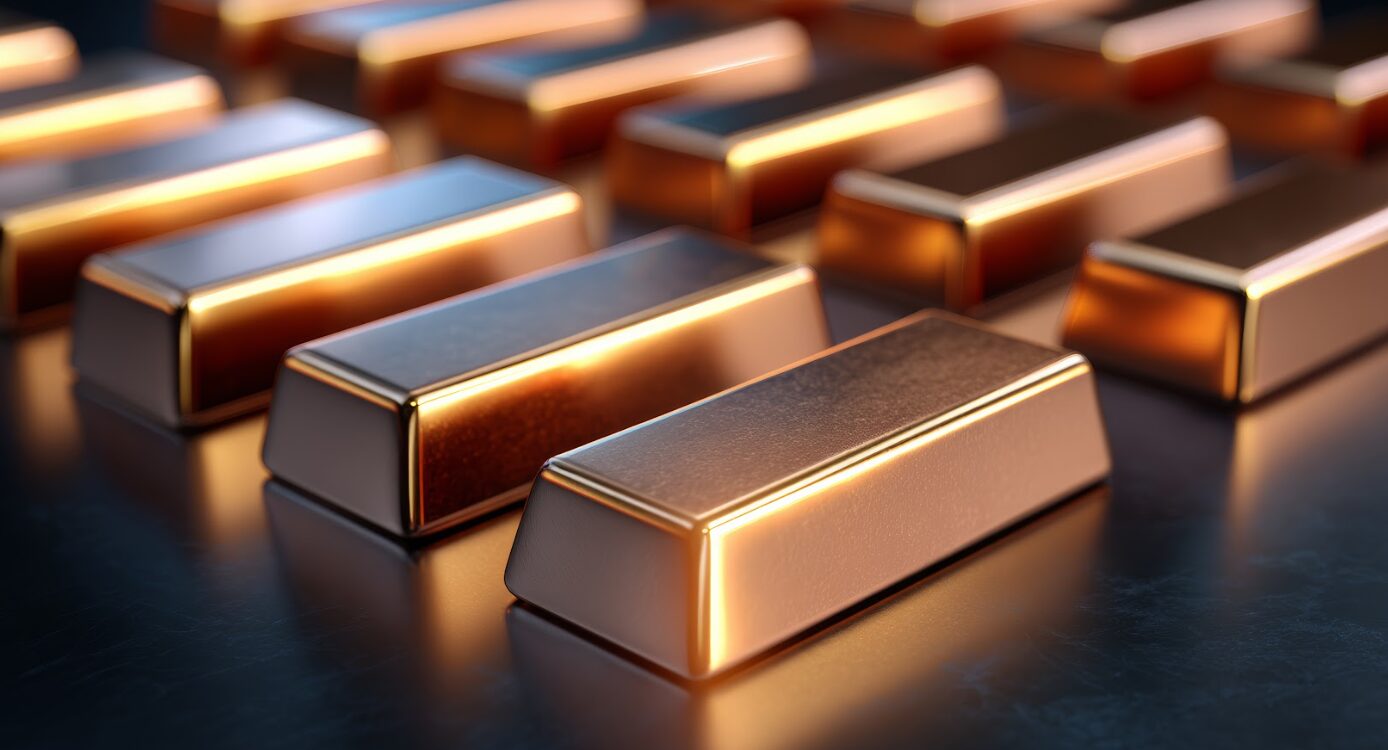
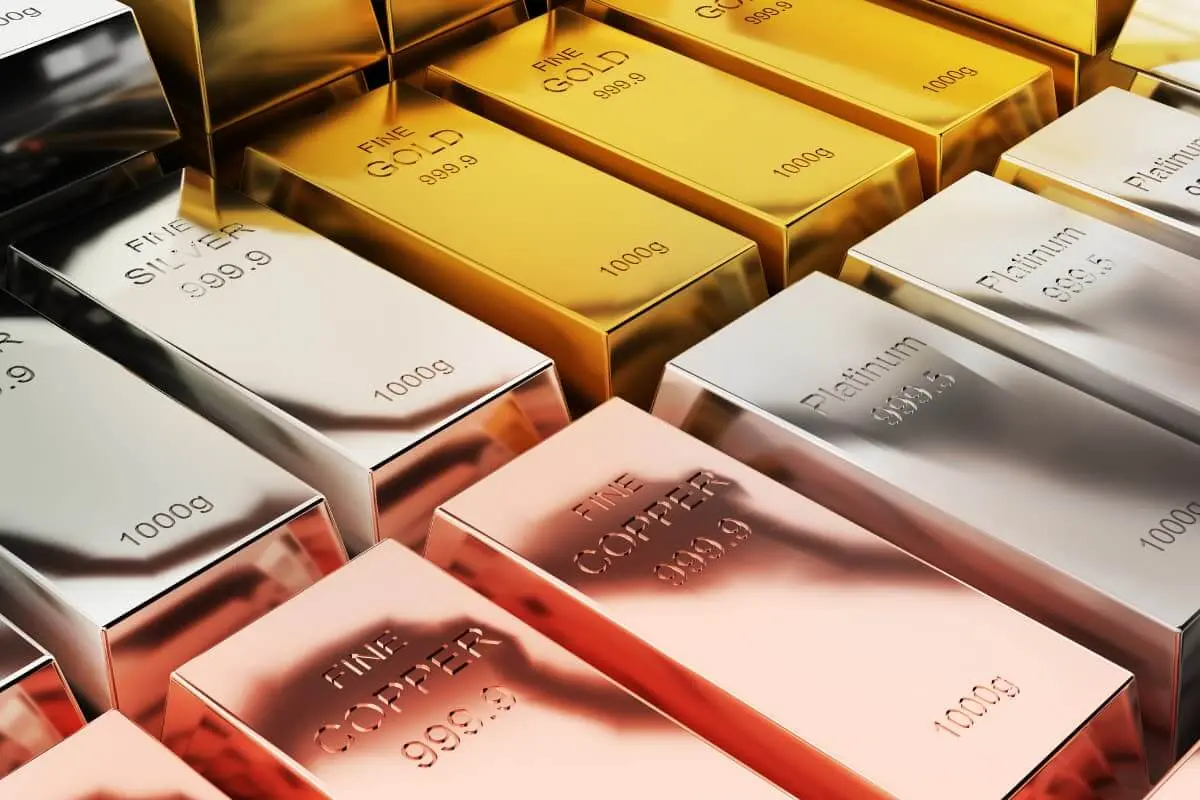
There’s been considerable discussion on UK forums about purchasing physical copper ingots versus paper investments. The reality? It’s complicated. Whilst gold and silver have established dealer networks and reasonable premiums over spot prices, copper ingots occupy a rather different space.
One British investor recently shared their experience purchasing a 1kg copper bar. The physical premium was substantial they paid significantly more than the melt value. A Reddit user bought a 1kg copper bar for £31 when the melt value was only about £7, highlighting the premium challenge.
Why such high premiums? Manufacturing costs, certification expenses, storage requirements, and limited dealer networks all contribute. Unlike precious metals with established buyback programmes, selling copper ingots often means approaching local scrap yards that typically pay close to melt value, erasing any premium you initially paid.
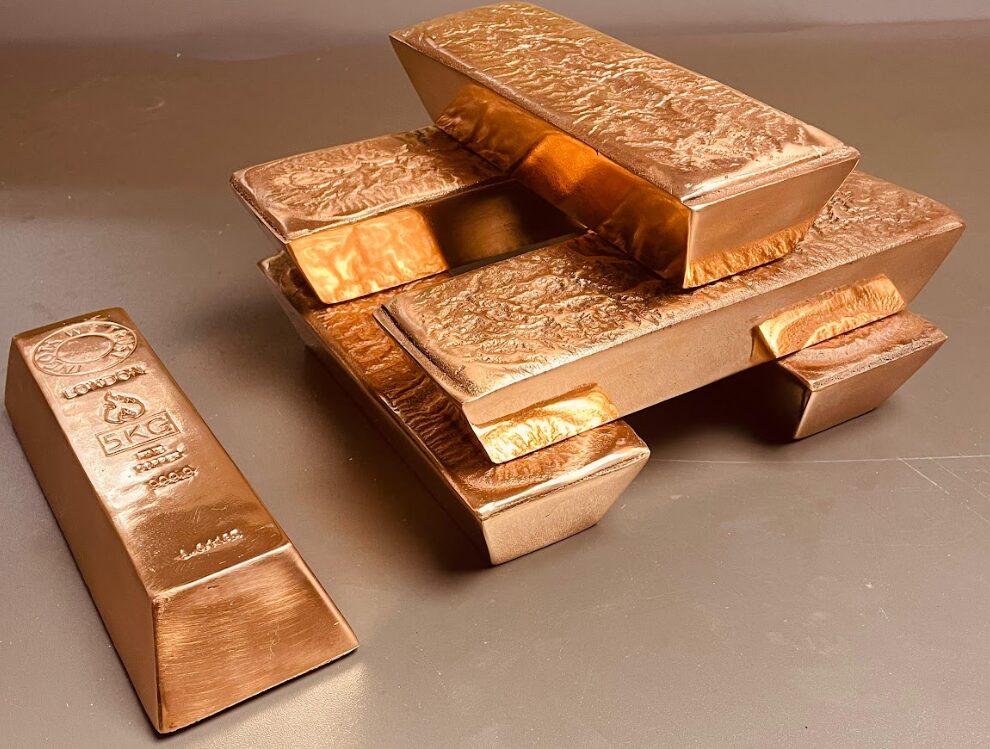
That said, certain artisan pieces and limited-run copper ingots from recognised makers hold collector interest beyond mere metal content. These fall into what some communities call “The Precious” category smaller, well-designed pieces that maintain value through both metal appreciation and collectible demand. Standard utility bars, dubbed “The Behemoth,” focus purely on metal weight with lower premiums.
For most UK investors, copper exposure through mining shares or ETFs offers better liquidity and lower transaction costs than physical ingots. However, if you’re genuinely interested in holding physical copper, ensure you understand the buy-sell spread and storage implications before committing.
Copper Prices: What’s Driving the Market in 2026?
Several factors are converging to support copper prices heading into this year. Firstly, artificial intelligence infrastructure is consuming copper at unprecedented rates. Data centres require massive amounts of metal for power lines, transformers, and cooling systems. Demand is expected to grow 40 per cent by 2040, requiring £200 billion in investment capital and construction of 80 new mines.
Secondly, supply disruptions continue to plague the market. Major incidents at key mining operations, including flooding at significant copper mines in the Democratic Republic of Congo and production issues at facilities in Indonesia, have tightened available supply. These aren’t minor hiccups they’re removing hundreds of thousands of tonnes from global markets.
Thirdly, the broader electrification trend shows no signs of slowing. Every electric vehicle, wind turbine, solar installation, and grid upgrade requires substantial copper quantities. Government infrastructure programmes across developed nations are adding to this baseline industrial demand.
Weather-related disruptions in Chile, labour negotiations in Peru, and declining ore grades at established mines all contribute to supply uncertainty. Meanwhile, bringing new copper mines online takes over a decade from discovery to first production, creating a structural lag between demand growth and supply response.
How KPS Helps You Track Copper Market Trends
This is where platforms like the Karat Purity Scale (KPS) become genuinely useful. Rather than checking multiple sources throughout the day the London Metal Exchange for global benchmarks, local scrap yards for UK regional pricing, and financial news for market-moving events KPS consolidates this information.
For professionals working with copper concentrate, copper plates, or managing copper for sale inventories, real-time price tracking prevents costly misjudgements. A coppersmith in Birmingham, for instance, needs to know when to lock in material costs for upcoming projects. A commodities trader must understand how copper companies’ production announcements might affect near-term pricing.
KPS offers several practical advantages:
Real-time price monitoring allows you to spot trends as they develop rather than reacting to yesterday’s news. When copper prices suddenly spike due to mine disruptions or geopolitical events, you’ll know immediately.
Historical data access helps identify seasonal patterns and longer-term trends. Understanding how copper coins and other physical forms have appreciated over time provides context for current pricing.
Regional price variations matter more than many realise. Copper mining output affects local markets differently, and KPS helps navigate these nuances across UK regions.
Whether you’re evaluating copper companies for investment, sourcing copper concentrate for industrial applications, or simply tracking the broader metals market, having consolidated, accurate pricing information streamlines decision-making.
The platform supports various market participants from investors analysing long-term trends to manufacturers managing raw material costs. It’s particularly valuable during volatile periods when copper prices shift rapidly in response to global events. Learn more about Investing in Copper Mining: Reddit Insights on 2026 Supply Shortages
Frequently Asked Questions
What is the current price of copper per kg in the UK?
Current UK copper prices vary by grade and location, typically ranging from £5.80 to £6.30 per kg for scrap copper, whilst refined copper ingots command higher premiums. Prices fluctuate daily based on London Metal Exchange benchmarks and local market conditions. Using a tracking platform like KPS helps you monitor these changes in real-time across different UK regions.
Is investing in copper a good strategy for 2026?
Investing in copper offers exposure to the electrification and renewable energy trends, with substantial industrial demand growth expected. However, copper prices can be volatile, affected by economic conditions, supply disruptions, and geopolitical events. Most financial advisors recommend copper as part of a diversified portfolio rather than a concentrated position, typically suggesting 5-10% allocation through mining company shares or copper-focused ETFs rather than physical ingots.
Where can I buy copper ingots in the UK?
Physical copper ingots are available through specialist precious metal dealers, online marketplaces like eBay UK, and occasionally through scrap metal yards. However, premiums over spot prices can be substantial often 300% or more for smaller ingots. Before purchasing, consider whether copper mining company shares or ETFs might offer better value and liquidity for investment purposes.
How do copper prices compare to other metals?
Whilst gold and silver have shown strong returns in recent years, copper has also delivered substantial gains, outperforming major stock indices. Unlike precious metals, copper’s value derives primarily from industrial demand rather than investment or jewellery use. This makes copper prices more sensitive to economic cycles but also positions the metal to benefit from long-term electrification trends.
What factors affect the price of copper per pound?
Multiple factors influence copper pricing: global supply constraints, including mine disruptions and declining ore grades; demand from electric vehicles, renewable energy infrastructure, and AI data centres; economic growth in major consuming nations like China and the United States; currency fluctuations, particularly affecting the pound sterling; and inventory levels on exchanges like the London Metal Exchange. Understanding these dynamics helps investors and businesses anticipate price movements.

Leave a Comment
Your email address will not be published. Required fields are marked *