

There’s something quite magical about watching a skilled coppersmith transform a flat copper plate into a beautifully raised vessel. Last autumn, I visited The Copper Works in Newlyn, Cornwall, and Michael Johnson demonstrated how he hand raises copper bowls using techniques that date back millennia. What struck me most wasn’t just the artistry, it was his absolute insistence on material purity. “You simply can’t achieve the same results with inferior copper,” he explained whilst hammering a gorgeous piece. That conversation got me thinking about how material quality fundamentally shapes this ancient craft.
Coppersmith Basics: Why Copper Concentrate Purity Matters
Here’s what many beginners don’t realise straightaway. The quality of your copper concentrate directly affects your finished work’s appearance, workability, and longevity. Most UK suppliers stock C106 and C101 grade copper sheets, both are 99.9% pure copper, but they differ in processing and characteristics.
C106 copper is phosphorus deoxidised, making it exceptional for cold working and hand raising techniques traditional to coppersmithing. The phosphorus treatment removes oxygen, preventing brittleness during the repeated hammering and annealing cycles that characterise proper copperwork. For beaten copper pieces, what some artisans affectionately call “The Precious” when they’re particularly well crafted, this grade performs brilliantly.
C101 copper, slightly springier than C106, works well for thicker applications like copper plates used in architectural features or ecclesiastical objects. Churches across the UK still commission copper font linings and decorative panels from skilled coppersmiths, and C101’s robust nature suits these applications perfectly.
The difference becomes apparent when you’re actually working with the metal. A forum member on the MIG Welding UK board mentioned sourcing copper from reclaimed water cylinders to save costs, cutting the top and bottom off, slitting the side, and flattening the resulting sheet. Whilst clever for practice pieces, you’ll immediately notice quality differences compared to virgin copper concentrate. Reclaimed copper often contains impurities, shows irregular work hardening patterns, and can develop unexpected cracks during raising.
For those seriously considering investing in copper as both a craft material and a potential portfolio addition, understanding these purity grades becomes essential. When copper prices sit around £7.90 per kilogram and a single project might require several kilos of material, choosing the right grade the first time prevents costly mistakes.
Copper Ingots to Finished Pieces: The Coppersmith’s Process
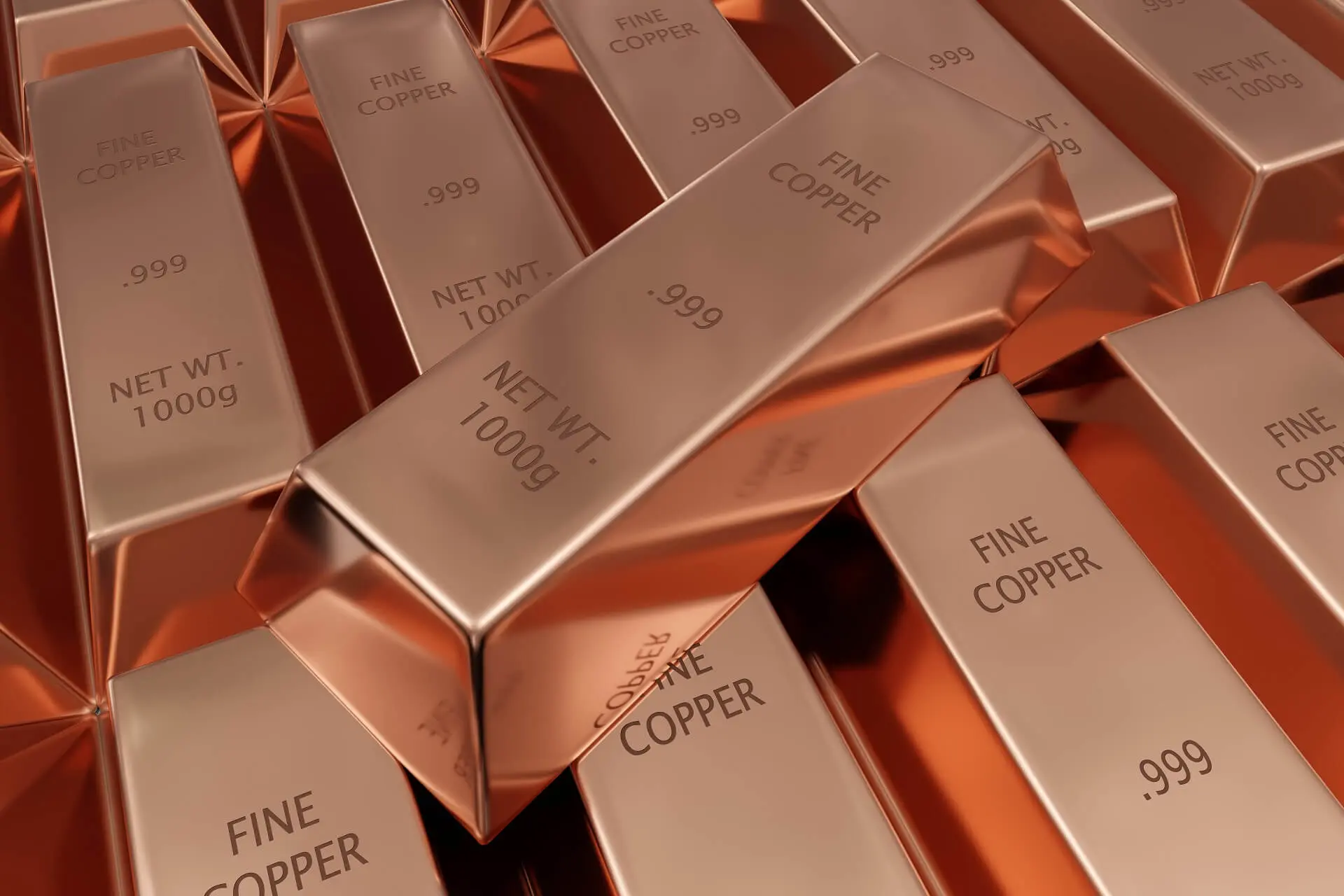
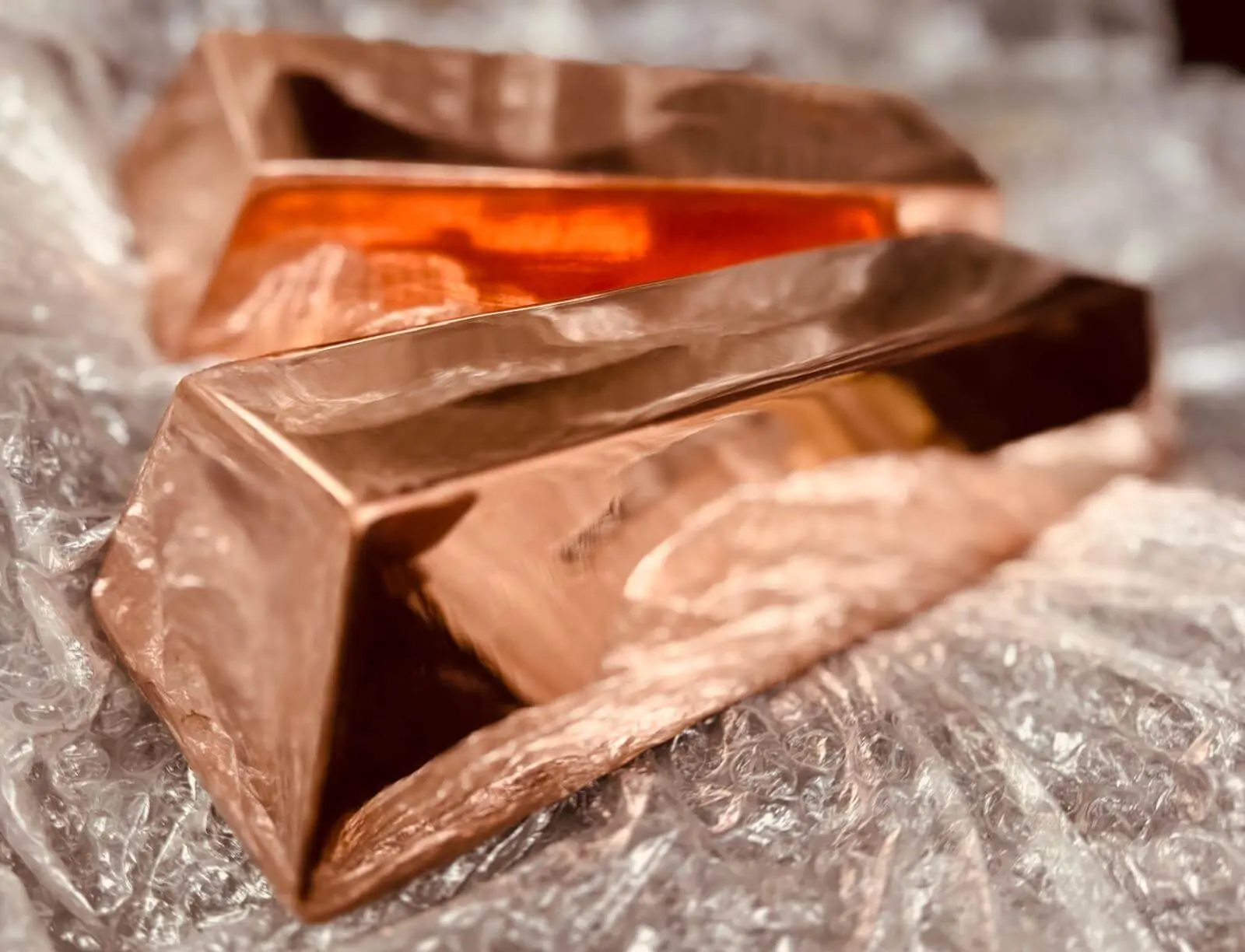
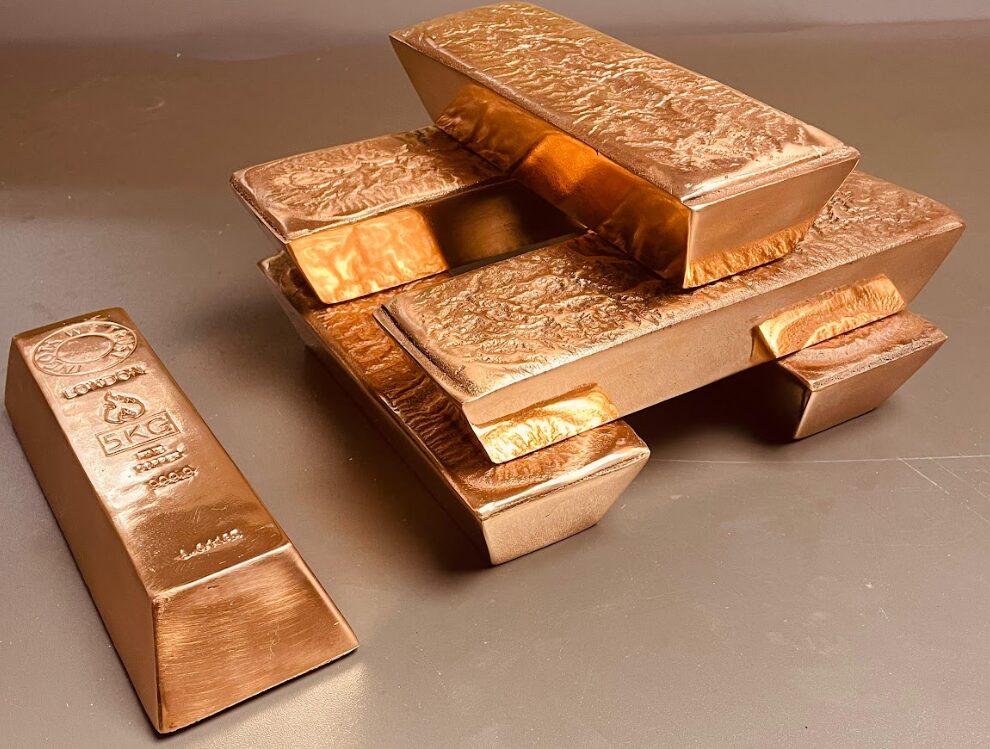
The traditional journey from raw copper ingots to a finished copperwork piece involves more steps than most people imagine. Whilst modern coppersmiths rarely start from ingots, sheet metal became the standard after industrial rollers revolutionised the craft in the 1700s, understanding the progression helps appreciate the material requirements.
Contemporary UK suppliers like Metals4U in Warrington and Metal Offcuts ship 99.9% pure copper plates cut to specification within 24 hours. They stock thicknesses from 0.4mm up to 3.0mm, with the thinner gauges (0.7mm and below) being ideal for beaten copper work. The protective film on one face prevents scratching during handling, something you’ll appreciate when copper for sale might cost £50-100 per square metre, depending on thickness.
The raising process itself demands patience and precision. You begin with a circular copper disk, perhaps 300mm in diameter, for a medium bowl. Placing this over a rising stake, imagine a metal mushroom shape mounted in a heavy base, you work around the piece with a rising hammer, repeatedly striking whilst rotating the work. Each pass compresses and elevates the metal edges, gradually building height whilst thinning the walls.
What separates professional work from amateur attempts? Consistent annealing. Copper work hardens during hammering, becoming brittle and prone to cracking. Every few courses of raising, you must heat the piece to cherry red (roughly 600°C) and allow it to cool, restoring malleability. A coppersmith working on “The Behemoth”, larger, heavy pieces focused on substantial metal weight, might anneal a dozen times throughout a single project.
Birmingham and Sheffield historically served as major centres for copper companies and metalworking guilds. Whilst industrialisation shifted much production to machinery, the hand skills survived in pockets. Today, fewer than a dozen people make a full time living from artisan coppersmithing in the entire UK, according to coppersmith Michael Johnson. The Copper Works provides free weekly classes to local children, desperately trying to preserve these techniques for future generations.
For those exploring coppersmithing seriously, source material carefully. Some UK suppliers offer custom cutting and even CNC shape cutting for complex starting forms. The Metal Store in Bradford provides unlimited free cutting on copper sheets, which proves invaluable when patterns require specific dimensions. Their C106 copper sheet, delivered in 1-3 days across most of England, Wales, and Scotland, maintains the purity standards professional work demands.
Copper Prices and Material Sourcing for UK Artisans
Material costs represent a significant consideration when you’re becoming a coppersmith. With copper prices fluctuating based on London Metal Exchange benchmarks, a project that seemed economically viable last month might squeeze margins this month. I’ve noticed discussions on UK metalworking forums where artisans share frustrations about competing with imported copper bowls from India and North Africa, regions where labour costs allow traditional hand raising at prices British makers simply cannot match.
Currently, copper plates from UK suppliers run approximately £6-9 per kilogram, depending on thickness and quantity. A 1000mm x 1000mm sheet in 1.2mm thickness weighs roughly 10.7 kilograms, costing around £75-95 before cutting services. For someone crafting copper coins, small decorative items, or jewellery, smaller quantities from suppliers like Cooksongold offer manageable entry points, though per kilo prices increase for smaller amounts.
What about reclaiming copper? Some metalworkers salvage material from architectural salvage yards, defunct brewing equipment, or the aforementioned water cylinders. Whilst this reduces material costs, you’re gambling on purity and condition. Unknown alloys, hidden stress points, or contamination can ruin hours of work. For practice and experimentation, brilliant. For commissioned work or pieces you’re hoping will appreciate as copper mining output tightens and prices rise? Best stick with certified suppliers.
Several UK companies deserve mention for reliability. Speciality Metals in Warrington ships within 24 hours with no minimum order charges and a 28 day return period, helpful when you’re testing different thicknesses. Metal Offcuts offers custom patina applications, creating aged finishes on copper concentrate that would otherwise take years of natural oxidation. For those interested in copper companies’ industrial grade supplies, Smiths Metal Centres maintains UKAS accredited testing laboratories, unusual amongst metal stockholders.
Tracking copper prices becomes genuinely useful when planning larger projects or deciding whether to purchase material now or wait. The Karat Purity Scale platform helps monitor these fluctuations alongside purity verification standards. When you’re evaluating copper for sale from multiple sources or trying to understand regional price variations between London, Manchester, and Edinburgh suppliers, consolidated pricing information prevents overpaying.
Traditional Coppersmith Techniques for Modern Artisans
Let me share something fascinating about traditional techniques that remain relevant today. Repoussé and chasing, methods refined during medieval times, involve hammering malleable copper from the reverse side to raise designs, then refining details from the front using punches. Byzantine church doors inlaid with silver used these exact techniques. They’re still taught in the handful of UK coppersmithing workshops that survive.
The Worshipful Company of Armourers and Brasiers formally incorporated copper workers back in 1708, though guilds had regulated the trade since the 16th century. Their standards for quality and technique echo through modern practice. When you’re hand raising a vessel, you’re following methodologies essentially unchanged for centuries, just with better access to consistent, high purity copper concentrate than historical coppersmiths enjoyed.
Soldering represents another crucial skill. Lead free tin silver solder works excellently with copper, creating joints that withstand both stress and corrosion. Some UK suppliers sell pre fluxed solder specifically formulated for copper applications. The antimicrobial properties of copper, it naturally kills viruses and bacteria, including MRSA, E. coli, and even COVID-19, make it particularly valuable for kitchenware and ecclesiastical items where cleanliness matters.
Modern coppersmiths often specialise. Some focus on whisky distilling stills for Scotland’s booming spirits industry, a niche that’s actually grown as demand for authentic copper stills has increased globally. Others concentrate on restoration work, repairing historic architectural features, statues, and buildings. The artisan category, where decorative and cultural items dominate, remains the smallest but perhaps most creatively fulfilling.
Finding training proves challenging. Unlike blacksmithing, which enjoys a modest renaissance through craft courses and maker spaces, coppersmithing instruction remains scarce. The Copper Works in Newlyn offers one of the few structured learning opportunities. Most contemporary coppersmiths are self taught, working out techniques through trial and error whilst studying historical examples and the limited written resources available.
For anyone seriously considering this path, start small. Purchase a few square metres of 0.7mm C106 copper sheet, basic hammers, a small anvil or stake, and access to a heat source for annealing. Practice raising simple forms before attempting complex vessels. Join UK metalworking forums where experienced fabricators share advice, the MIG Welding Forum and UK Workshop both host helpful communities, though coppersmithing specific content remains limited.
The market challenges are real. Time spent seeking commissions takes time away from making. Competition from overseas manufacturers working with cheaper labour but equally traditional methods makes pricing difficult. However, for those passionate about the craft, combining traditional coppersmithing with modern marketing through social media, craft fairs, and online platforms creates viable paths forward. The key lies in creating work distinctive enough, “The Precious” rather than generic utility items, that craftsmanship justifies premium pricing. Learn more about Analyzing Copper Prices: Local Fluctuations in Scrap and Global Markets
Frequently Asked Questions
What materials do I need to start as a coppersmith?
Beginning coppersmithing requires 99.9% pure C106 copper sheet (0.7mm thickness is ideal for learning), a raising stake or a small anvil, raising hammers, metal shears or tin snips, files for smoothing edges, and access to a heat source for annealing (propane torch or forge). UK suppliers like Metals4U, Metal Offcuts, and The Metal Store ship copper plates cut to size within 1-3 days. Expect to invest £150-300 for basic tools and materials. Many coppersmiths recommend starting with smaller pieces before progressing to larger copper ingots or plates requiring industrial equipment.
How pure should copper concentrate be for professional copperwork?
Professional coppersmithing demands 99.9% pure copper, typically C106 (phosphorus deoxidised) or C101 grade. Lower purity copper contains impurities that cause irregular work hardening, unexpected cracking during raising, and an inferior finished appearance. Reclaimed copper from water cylinders or scrap sources often works for practice but lacks the consistency needed for commissioned pieces. When investing in copper for serious work, certified suppliers guarantee purity levels that directly affect your ability to achieve traditional raising techniques and long lasting results.
Can I make a living as a coppersmith in the UK?
Fewer than a dozen artisan coppersmiths make a full time living in the UK currently, though industrial coppersmithing (whisky stills, architectural restoration) employs more. The challenges include competition from overseas manufacturers in India and North Africa producing traditional copper bowls at lower prices, limited market awareness, and the time required for marketing versus making. Success typically requires specialisation (ecclesiastical work, bespoke kitchenware, artistic pieces), strong online presence, participation in craft fairs, and creating distinctive work that justifies premium pricing over mass produced alternatives. Current copper prices around £7.90 per kg mean material costs alone require careful project planning.
Where can I learn traditional coppersmithing techniques?
The Copper Works in Newlyn, Cornwall, offers one of the UK’s few structured coppersmithing programmes, including free weekly classes. Otherwise, most contemporary coppersmiths are self taught, learning through experimentation, studying historical examples, and connecting with experienced metalworkers through forums like MIG Welding Forum and UK Workshop. Some blacksmithing courses cover related metalworking techniques applicable to copper. Unlike blacksmithing’s recent resurgence, coppersmithing instruction remains scarce. Consider starting with basic hand raising projects using copper plates from UK suppliers, gradually building skills before attempting complex pieces.
How do copper prices affect coppersmithing as a craft?
Copper prices around £7.90 per kg currently mean a 1m² sheet of 1.2mm copper costs £75-95, significantly impacting project economics. When copper prices spike, as they have with AI infrastructure demand, material costs can squeeze margins, particularly when competing with overseas manufacturers. However, for artisan pieces where craftsmanship justifies premiums, copper price fluctuations matter less than for utility items. Platforms like KPS help coppersmiths monitor copper prices, plan material purchases strategically, and verify copper concentrate purity from various suppliers. Some coppersmiths diversify income through copper companies’ shares, gaining exposure to rising prices whilst managing craft material costs.



Leave a Comment
Your email address will not be published. Required fields are marked *