

If you’ve spent any time tracking copper prices, you’ll have noticed that the numbers don’t move in isolation. Behind every significant move in the copper price per pound is a decision made or an event occurring within the operations of the world’s major copper companies. Understanding who those companies are, what they control, and how their choices ripple into the UK physical copper market is genuinely useful knowledge for anyone investing in copper, buying copper ingots, or simply trying to time their next copper purchase intelligently.
This post breaks down the key players, explains how their operations connect to copper prices and market trends, and draws the practical line between what happens at a mine in Chile and what you pay for copper for sale at a UK dealer.
Top Copper Companies: Who Controls Global Copper Mining Output
A handful of copper companies account for the majority of global copper mining production. Codelco, Chile’s state-owned mining giant, is the world’s largest producer and a perpetual influence on copper prices through its output guidance and production results. BHP, Rio Tinto, Freeport-McMoRan, Glencore, and Anglo American round out the top tier, with operations spanning South America, Central Africa, North America, and Australia.
Together, these copper companies manage mines that process hundreds of millions of tonnes of ore annually to produce copper concentrate, the feedstock that travels through the refining chain to become the electrolytic copper in your copper ingots and copper plates. Their collective output decisions whether to maintain, expand, or curtail production determine the global copper supply balance and set the trajectory for copper prices months in advance of any LME movement.
UK investor communities, including r/UKInvesting and r/Commodities, regularly discuss major copper company production updates as forward indicators for physical copper pricing. The insight shared most often in those threads is that production guidance misses when a copper company produces less than expected are more reliably bullish for copper prices than demand-side surprises, because supply shortfalls take much longer to correct.
Copper Prices and Market Trends: How Company Decisions Drive Price Movements
Copper prices respond to copper company decisions across several time horizons. In the short term, operational disruptions, a mine strike, a processing plant outage, a weather event can move the copper price per pound within days. In the medium term, production guidance revisions and copper concentrate shipment volumes shape expectations for refined copper availability over the coming quarters. In the long term, capital expenditure decisions determine whether new copper mining capacity will be available to meet future demand.
The current copper price environment reflects a medium-term reality that has been building for several years: major copper companies have underinvested in new copper mining capacity relative to the demand growth projected for the electrification economy. That gap between anticipated supply and projected demand is structural, not cyclical, and it is the primary reason that analysts and community members investing in copper are broadly optimistic about the long-term price of copper per kg.
For UK physical copper buyers, this structural context means that buying copper ingots or copper plates from a position of long-term demand confidence is well-supported by the fundamentals even if short-term copper price fluctuations create occasional noise around entry points.
Copper Concentrate Supply Chains: Connecting Mining to Your Copper Ingots
The journey from a copper company’s mine to a collector’s copper ingot involves several steps, each of which can be disrupted and each of which adds cost and time. Copper mining produces ore that is crushed and processed into copper concentrate, typically containing 25–35% copper. Concentrate is then sold to smelters who produce blister copper at around 99% purity, before electrolytic refineries convert it into Grade A cathode copper at 99.99%.
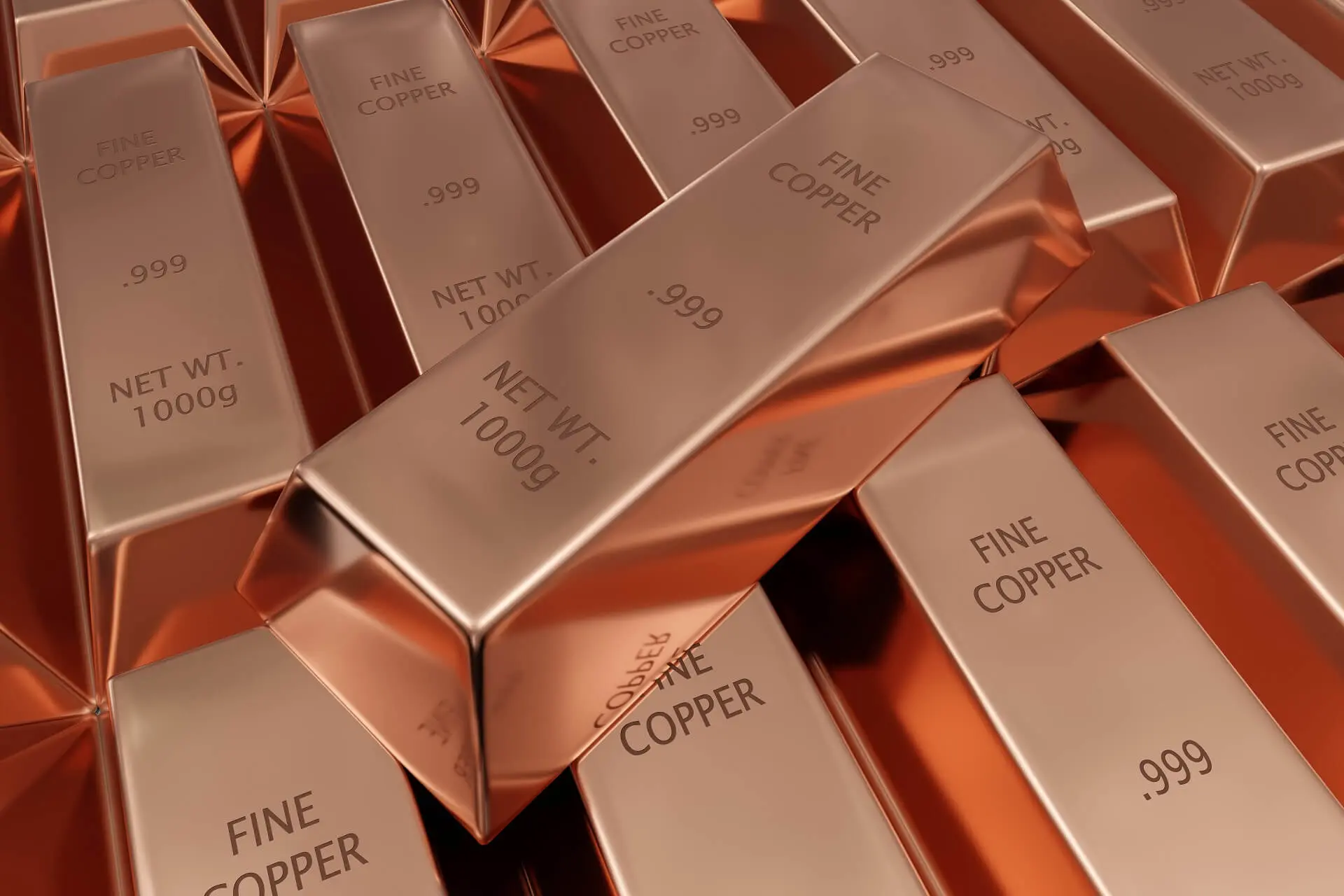
That cathode copper is the raw material for the copper ingots, copper plates, and copper coins you find for sale in collector and investment markets. Disruptions anywhere in this chain, a smelter fire, a logistics blockage, a copper mining strike can reduce refined copper availability and push up the price of copper per kg at the retail end, often with a lag of several weeks to months.
A coppersmith sourcing electrolytic copper rod for artisan work is buying near the end of this chain insulated from raw concentrate volatility but fully exposed to the refined copper price movements that copper company operational decisions ultimately drive.
Investing in Copper Companies vs Physical Copper: What UK Investors Need to Know
Investing in copper through physical copper ingots and investing in copper companies through their shares are both legitimate strategies but they behave very differently. Physical copper ingots and copper plates give you direct, unlevered exposure to the price of copper per kg, with no corporate risk. Shares in copper companies give you leveraged exposure amplifying both gains and losses relative to copper price movements alongside the additional risks of management quality, cost structure, and geopolitical operating environment.
The most discussed approach in UK stacker and investment communities is to use physical copper as the stable core with The Behemoth format for bulk value and The Precious range for flexible, smaller holdings and to treat copper company shares as an optional satellite allocation for those comfortable with higher volatility. That structure preserves the tangible, purity-verified value of physical copper while capturing upside from mining company leverage in bull market conditions. Learn more about Copper Plates Crafting Guide with Karat Purity Scale Standards
Frequently Asked Questions
Which copper companies have the most influence on global copper prices?
Codelco (Chile), BHP, Rio Tinto, Freeport-McMoRan, Glencore, and Anglo American collectively account for a large share of global copper mining output and have the greatest influence on copper prices through their production decisions, capital expenditure commitments, and output guidance. Codelco alone produces roughly 10% of global copper supply, meaning any significant operational disruption at its operations moves the copper price per pound meaningfully.
How do copper company production reports affect the price of copper per kg I pay?
Production reports from major copper companies are read by commodity traders and industrial buyers as forward indicators of refined copper availability. If reports show output below guidance, the expectation of tighter copper supply drives copper prices higher which feeds through to the price of copper per kg at the retail and collector end of the market, typically with a lag of weeks to months as the supply chain adjusts.
Should I invest in copper companies instead of buying physical copper ingots?
These are complementary rather than competing options. Copper company shares offer leveraged exposure to copper prices and potential dividend income, but carry corporate and operational risks that physical copper ingots do not. Physical copper for sale in ingot or plate form gives you direct, verifiable exposure to copper prices with no counterparty risk. Many UK investors hold both using physical copper as their stable copper price foundation and copper company shares for additional growth exposure in bullish copper price environments.
How far in advance do copper mining decisions affect physical copper prices?
Capital expenditure decisions on new copper mining capacity typically take five to ten years to translate into actual production, which is why today’s underinvestment is already shaping the supply outlook for the late 2020s. Production guidance revisions affect refined copper availability within one to two quarters. Operational disruptions, strikes, equipment failures, weather events can move the copper price per pound within days, though the effect is usually temporary unless the disruption is prolonged.
How does copper company performance affect the value of The Behemoth and The Precious collector formats?
Indirectly but meaningfully. When copper companies report strong production, refined copper supply increases and the price of copper per kg tends to moderate which can soften the metal floor value of both The Behemoth and The Precious. When copper companies face output constraints, refined copper supply tightens and copper prices move higher, lifting the intrinsic metal value across all physical copper formats. The Behemoth is more sensitive to this dynamic; its value is almost entirely metal-price driven while The Precious’s collector premium provides a partial buffer against downward copper price movements.


Leave a Comment
Your email address will not be published. Required fields are marked *