

Copper coins and collectibles occupy a genuinely interesting space in the physical copper market. They straddle two worlds: part investment, where the intrinsic copper value ties directly to live copper prices, and part collecting, where design, rarity, and provenance add a premium that pure commodity logic can’t fully explain. That dual nature is what makes them compelling, and also what makes purity understanding so important before you buy.
This post is aimed at anyone investing in copper through coins and collectible formats whether you’re just starting out or looking to sharpen your approach after a few purchases that didn’t quite deliver the value you expected.
Investing in Copper Coins: Separating Metal Value from Collector Premium
Every copper coin has two components of value: the intrinsic value of the copper it contains, priced against the current price of copper per kg, and the collector premium that reflects the coin’s design, mintage run, condition, and secondary market demand. For anyone investing in copper with a focus on long-term value retention, understanding which component you’re actually paying for is the single most important question to answer before committing to a purchase.
A copper coin with 50 grams of 99.9% electrolytic copper has an intrinsic metal value that is straightforward to calculate: divide the current price of copper per kg by 1,000 to get the per-gram rate, then multiply by 50. If the coin is being sold at a price significantly above that figure, the excess represents the collector premium. That premium may be entirely justified, limited mintage, recognised design heritage, and strong secondary demand all support it. Or it may be entirely speculative. Knowing which is which requires research.
UK collector threads on r/CopperStackers and r/PreciousMetals frequently debate the collector premium question. The consensus view is that premiums attached to pieces from well-regarded mints with documented secondary market liquidity are defensible; premiums on generic or poorly documented pieces are not.
Copper Ingots and Purity: Why Grade Matters More for Collectibles Than You Might Think
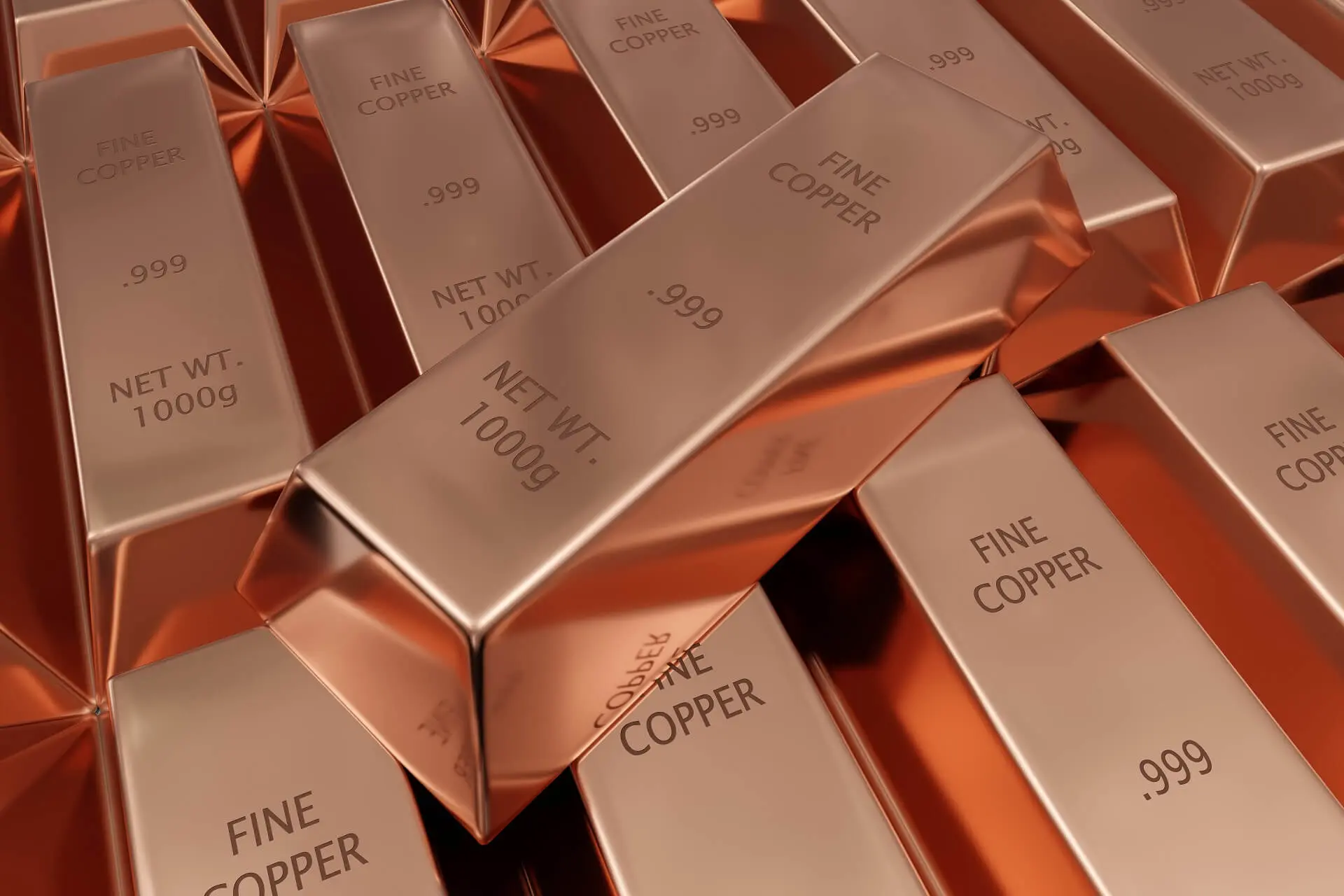
Purity is often treated as a concern for industrial copper buyers rather than collectors but that assumption gets collectors into trouble. Copper ingots and purity are as inseparable in the collector market as they are in the industrial one. A copper coin or collectible ingot sold as 99.9% electrolytic copper but actually refined from mixed scrap to 98.5% is not just a quality issue it’s a pricing issue, because the metal value calculation depends entirely on the purity being accurate.
For smaller pieces in The Precious range, the purity difference between 99.9% and 98.5% is financially modest in absolute terms. But it becomes a trust issue. A seller who misrepresents purity on small pieces is more likely to misrepresent it on larger ones. Building a copper collection with verified, documented purity from the outset protects you from cascading errors in your portfolio valuation.
KPS provides a purity scaling tool specifically designed for collectors and investors to cross-reference any declared copper grade against live copper prices and confirm fair value. It’s particularly useful when comparing copper coins across multiple sellers with different stated purities and different asking prices.
Copper Prices and Market Trends: How They Affect Collectible Copper Valuations
Copper prices set the floor for every piece of copper for sale: coins, plates, ingots, and everything in between. When the copper price per pound rises, the minimum intrinsic value of every physical copper piece rises with it, regardless of collector sentiment. This is why copper collectibles have shown resilience during periods of copper price appreciation that other collectible categories cannot replicate.
The implication for collectors is that rising copper prices can lift the total value of their collection even if individual collector premiums remain stable. The risk runs the other way too: if copper prices fall, the intrinsic metal floor drops, and pieces that were priced heavily on collector premium may see their total value compress. Diversifying between The Precious where collector value is more prominent and larger copper ingots in The Behemoth range, where metal value dominates provides a natural hedge within a copper-focused collection.
Buying Copper for Sale: Purity Verification Steps Every Collector Should Follow
Before completing any purchase of copper coins or collectible copper pieces, three verification steps are worth making habitual. First, confirm the purity grade in writing either through a certificate of analysis, an XRF test result, or an explicit mint guarantee. Second, calculate the intrinsic metal value using the current price of copper per kg and verify that the asking price includes a reasonable and explainable premium above that figure. Third, check the secondary market for comparable pieces to confirm the collector premium is consistent with what similar items have actually sold for.
Copper for sale from reputable sellers whether specialist copper dealers, established mints, or craft coppersmiths with documented processes will pass all three checks comfortably. If any step produces a result that raises a question you can’t get a straight answer to, that’s a useful signal to walk away. Learn more about How Coppersmiths Use Copper Concentrate for High-Purity Creations
Frequently Asked Questions
How do I calculate the intrinsic value of a copper coin when investing in copper?
Take the current price of copper per kg and divide by 1,000 to get the per-gram rate. Then multiply by the weight of copper in the coin (in grams), factoring in purity a 50-gram coin at 99.9% purity contains effectively 49.95 grams of copper. That calculation gives you the metal floor value. Anything above that in the asking price is the collector premium. KPS’s purity scaling tool automates this calculation so you can cross-reference any piece against live copper prices instantly.
Are copper coins a better investment than copper ingots?
It depends on your priorities. Copper coins carry a collector premium above the copper price per pound, which can work in your favour if secondary demand for that coin remains strong or against you if it doesn’t. Copper ingots, particularly larger pieces in The Behemoth range, price closer to spot and offer more transparent, commodity-like exposure to copper prices. For most investors, a combination of both using copper coins from The Precious range for collection appeal and copper ingots for investment weight produces the most balanced result.
What purity should copper coins be for investment purposes?
For investment-grade copper coins where you want the metal value to be reliably calculable, 99.9% electrolytic copper is the target. This ensures the piece prices consistently against the LME benchmark and maintains resale value with informed buyers. Coins below this threshold can still be collectible and valuable, but their intrinsic copper value is less cleanly tied to spot copper prices, which complicates valuation.
How do copper mining trends affect the value of my copper collectibles?
Copper mining output shapes the supply of refined copper, which in turn drives the copper price per pound on the spot market. When copper mining faces constraints and copper prices rise, the metal floor value of all physical copper including collector coins and ingots rises with it. This is one of the structural advantages of investing in copper through physical collectibles: even in periods of weak collector sentiment, rising copper prices can sustain or increase total portfolio value.
Where can I find trustworthy copper for sale in the UK collectibles market?
Look for sellers who provide explicit purity documentation, price their products transparently against live copper prices, and have verifiable trading history in the UK market. Specialist copper dealers, established precious metals platforms, and vetted coppersmiths with documented production processes are the most reliable sources. Use KPS’s purity scaling tool to verify that any price you’re quoted is consistent with what the stated grade of copper should cost at current market rates.


Leave a Comment
Your email address will not be published. Required fields are marked *